
Poultry Feed Manufacturing Plant Cost
The poultry feed manufacturing plant cost varies between USD 20,000 and 850,000 depending on production capacity and equipment configuration. Want to know the investment plan and detailed cost breakdown that suits you? Contact us now for professional consultation and a customized quotation.
What is the approximate Poultry Feed Manufacturing Plant Cost?
“How much money do I need to prepare to build a poultry feed mill?” This is the most pressing question for every investor planning to enter the feed industry. The cost of building a poultry feed manufacturing plant doesn’t have a fixed answer; it’s influenced by many factors. However, we can provide a basic investment range based on production scale to help you with your initial financial planning.
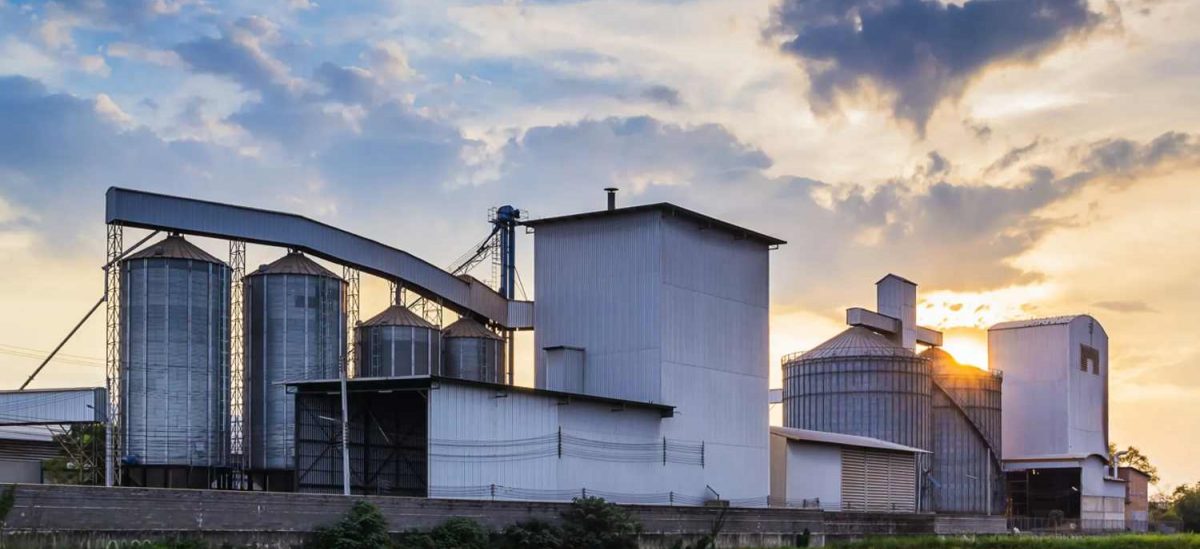
How much does it cost to invest in a poultry feed mill? This mainly depends on the production scale and configuration standards. Generally, a small-scale poultry feed mill (1-5 tons/hour) costs approximately $20,000 to $100,000 to build. This scale is suitable for startups or small to medium-sized poultry farms, with relatively simple but complete equipment configurations. A medium-sized production line (6-15 tons/hour) requires $100,000 to $250,000, which is currently the most popular investment scale on the market, suitable for larger farms for self-use and regional sales, with more comprehensive equipment configurations. Large-scale production lines (16-100 tons/hour) require $300,000 to $3 million, targeting large-scale farming groups or professional feed companies, utilizing fully automated control and advanced production management systems.
The specific costs are also affected by various factors such as equipment quality, degree of automation, factory building conditions, regional differences, raw material supply, and labor costs. This article will break down the various components of poultry feed manufacturing plant cost in detail, helping you to fully understand each expenditure and develop an accurate investment budget.
Poultry Feed Manufacturing Plant Project Videos
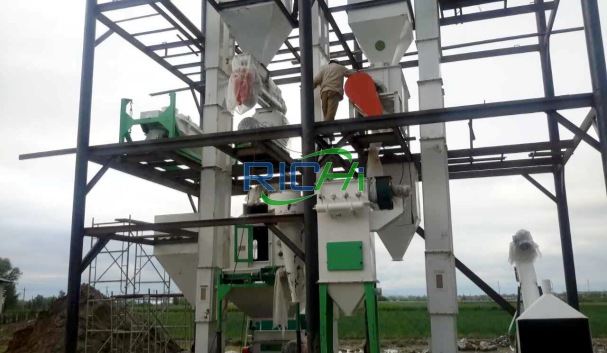
Do you want to see firsthand how a complete poultry feed manufacturing plant operates? This project video comes from a real-world case study of an installation at a client’s site, fully documenting the working status of the poultry feed production line, from equipment installation and commissioning to actual production operation.

Detailed Breakdown of Poultry Feed Manufacturing Plant Cost
What expenses are involved in building a poultry feed manufacturing plant? What exactly does the total investment include? Below is a detailed breakdown of the various components of poultry feed manufacturing plant construction costs, helping you create an accurate investment budget and avoid insufficient funding or budget overruns.
Cost
Equipment Procurement
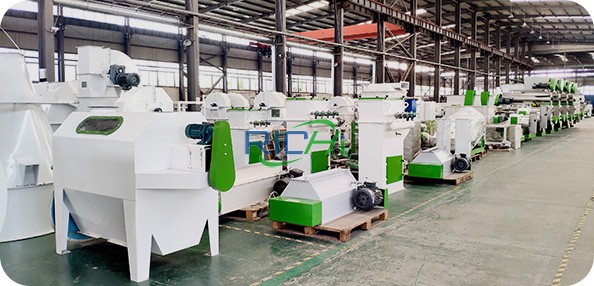
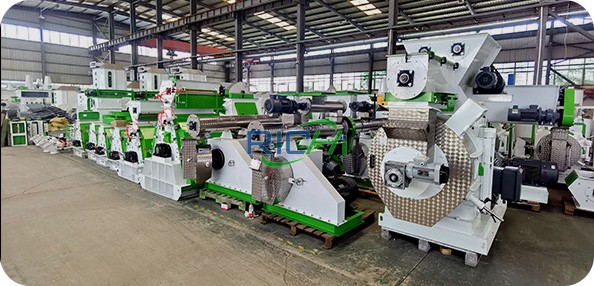
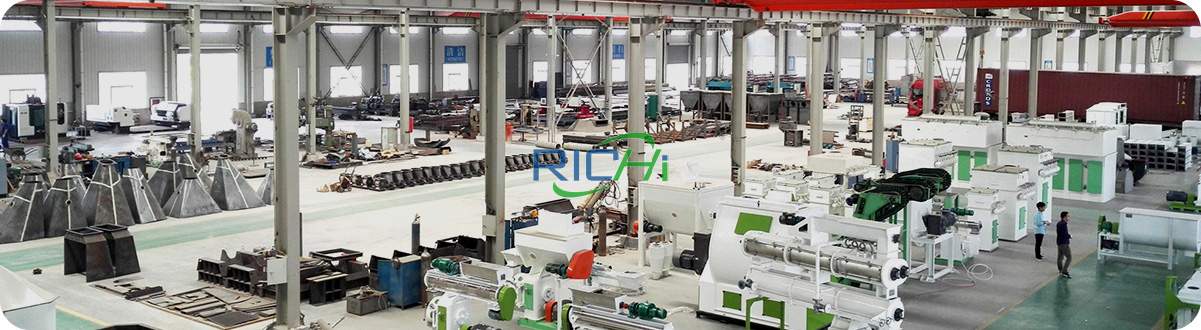
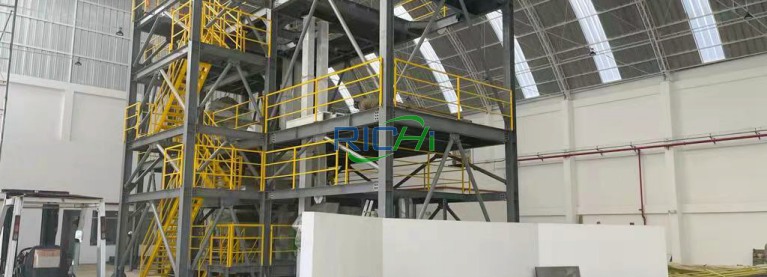
The main production equipment typically accounts for the largest portion of the construction cost of a poultry feed mill, including crushers, mixers, pelletizers, coolers, screeners, and packaging machines. Auxiliary equipment includes elevators, conveyors, dust collection systems, and power distribution cabinets.
Cost
Plant Construction
The production workshop area needs to be determined based on the production capacity. In addition to the production workshop, raw material warehouses and finished product warehouses are also required. Some clients also require auxiliary facilities such as offices and laboratories, but these generally occupy only a small portion of the production workshop area.
Cost
Land and Infrastructure
When selecting a site, priority should be given to areas with convenient transportation, proximity to raw material sources, and stable water and electricity supply. The demand for electricity and water varies significantly depending on the scale of the feed production line; small projects have lower requirements, while large projects require more robust supporting infrastructure.
Cost
Raw Material Procurement
Before commissioning, the feed mill usually needs to prepare a certain period’s worth of raw material inventory to ensure production continuity. Raw material procurement is a long-term, ongoing expense, which can be managed by establishing stable cooperative relationships with suppliers.
Cost
Human Resources
This feed production line has a high degree of automation and can be remotely monitored via computer. Therefore, the low number of employees and low labor costs are a major advantage in the overall construction and long-term operation of the feed mill.
Cost
Equipment Installation and Commissioning
After the feed production line arrives at the factory, it needs to be installed, debugged, and test run to ensure stable operation and achieve the designed production capacity. Related work includes on-site installation guidance, electrical control debugging, and technical support for trial production.
Practical Strategies to Reduce Poultry Feed Manufacturing Plant Cost
In the construction of a poultry feed plant, cost control is one of the key factors determining the success or failure of the investment. Through reasonable analysis of various factors in the early stages, it is possible to effectively reduce initial investment pressure and lay a solid foundation for stable operation and continuous expansion.
Choosing the Right Production Capacity
Many first-time investors make the mistake of blindly pursuing large production capacity, believing that the larger the capacity, the better. In reality, the selection of production capacity should be based on a comprehensive consideration of market demand, capital investment, and management capabilities.
Choosing Cost-Effective Equipment Configuration
While ensuring production needs, investment poultry feed manufacturing plant costs can be reduced by optimizing equipment configuration. For example, for small and medium-sized feed mills, it is not necessary to configure a fully automated system from the beginning. High-quality brands can be chosen for core equipment, while cost-effective products can be selected for auxiliary equipment. This ensures production quality while effectively controlling costs.
In addition, some non-core processes can use semi-automatic or manual methods, which are perfectly sufficient for production lines with low daily output.
Making Full Use of Existing Resources
If you already own a farm or other factory buildings, you can make full use of existing buildings and infrastructure to reduce factory construction investment.
Furthermore, consider phased investment: first build a basic production line to meet current needs, reserving space for expansion. Then, add equipment and capacity as the business develops and stabilizes. This reduces initial capital pressure and allows for flexible adjustment of investment direction based on market feedback.
How to Accurately Calculate Your Poultry Feed Manufacturing Plant Cost
To accurately calculate your poultry feed manufacturing plant cost, a detailed budget list is required, outlining all potential expenditure items and estimating the costs for each item. The list should include:
√
Equipment Costs
Main production equipment, auxiliary equipment, spare parts
√
Factory Building Costs
Production workshops, warehouses, office and living facilities
√
Land Costs
Land purchase or lease, site leveling, road paving
√
Infrastructure
Water and electricity supply, drainage and environmental protection, perimeter walls and security
√
Raw Material Reserves
Initial raw material procurement funds
√
Personnel Preparation
Initial salaries for management personnel, technical personnel, and production workers
√
Licenses and Permits
Business registration, production license, quality certification
√
Marketing and Promotion
Promotional materials, trade show participation, customer development
√
Working Capital
Reserve for 3-6 months of operating expenses
√
Other Costs
Transportation insurance, equipment installation, training and consulting, etc.
Recommended Pages for Poultry Feed Manufacturing Plant
About richi machinery
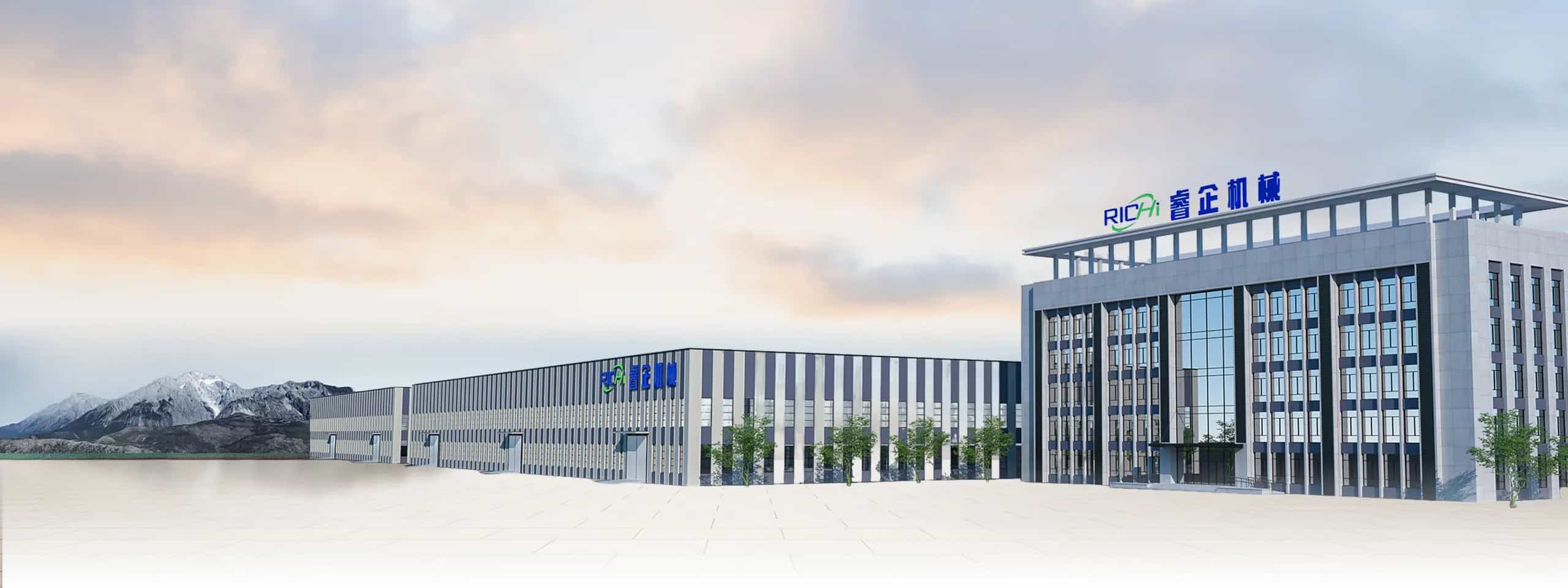
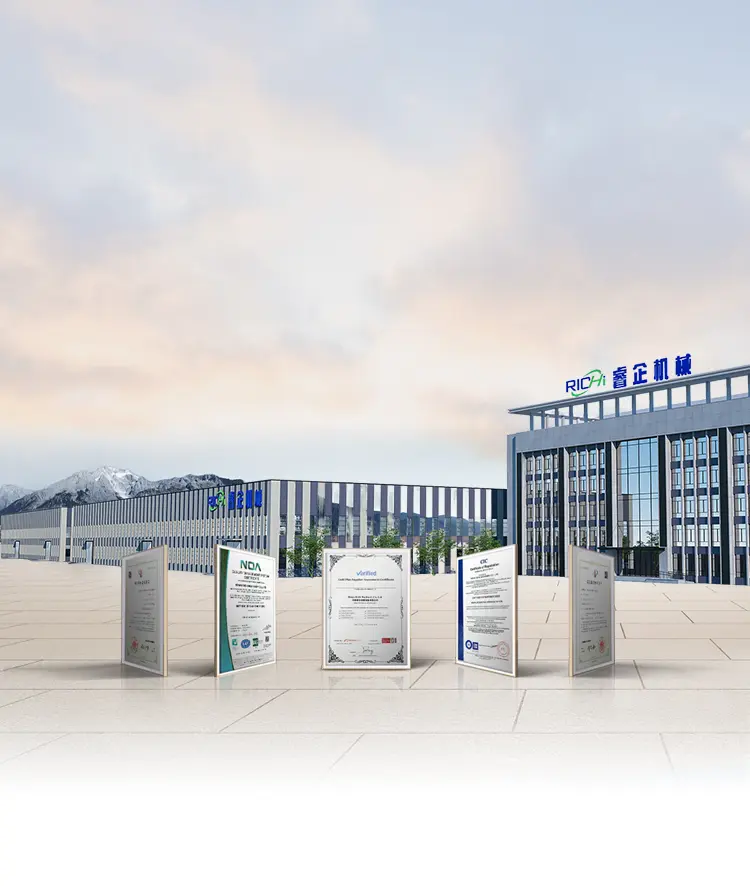
RICHI Machinery is a professional manufacturer specializing in the research, development, production, and sales of feed machinery and equipment, with over 30 years of experience in the poultry feed equipment industry. We have always adhered to the principle: focus on product quality and customer service, and business will naturally follow. Step by step, we have sold our products to over 140 countries worldwide, gradually building our reputation and experience. Customers who find our equipment satisfactory recommend us to others. Because we have encountered diverse needs and situations, we truly understand the pain points of different customers and can provide the most suitable solutions.
30+
years
Experience
140+
Export Countries
80000+
㎡
Factory Area
1000+
Projects
If you are planning or upgrading your poultry feed project, please feel free to contact us. RICHI Machinery will provide you with professional solutions truly tailored to your needs. You can find us on YouTube.