
Livestock Feed Machine
A professional supplier of livestock feed machine, we manufacture cattle, pig, and sheep feed, offering everything from single pellet mills to complete production lines. Our equipment is durable and easy to operate, helping you maintain firm control over feed quality and costs.
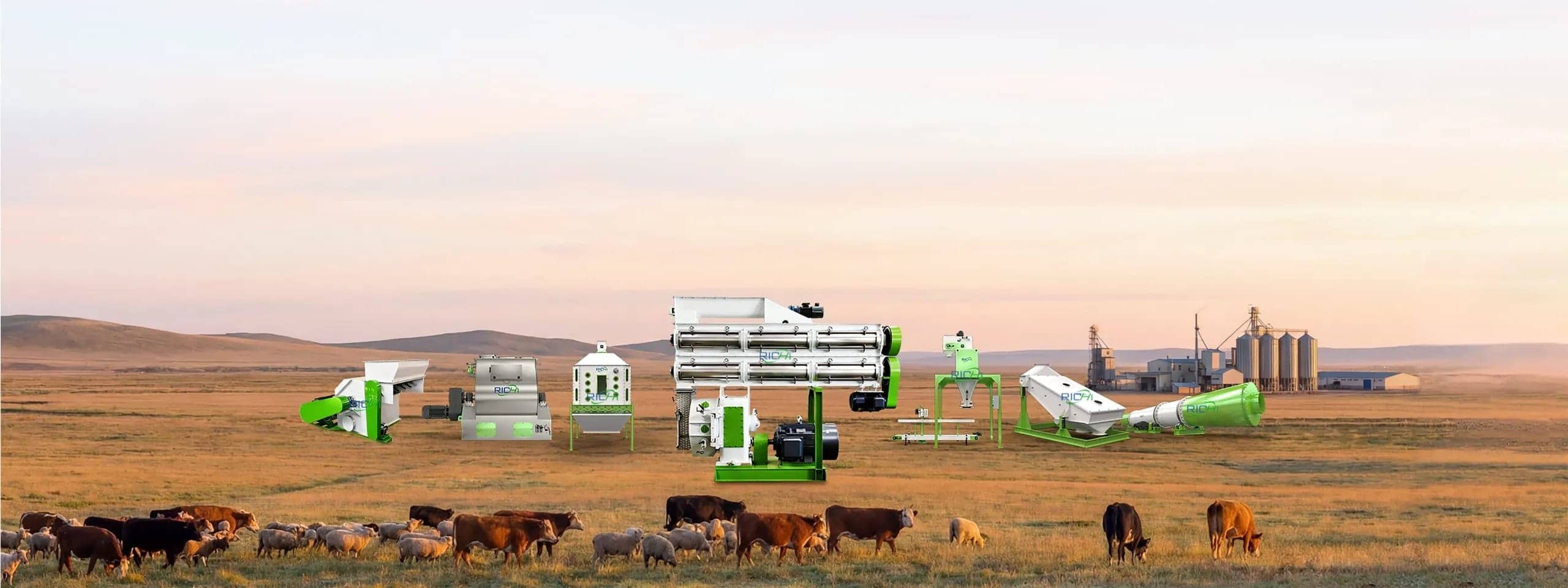
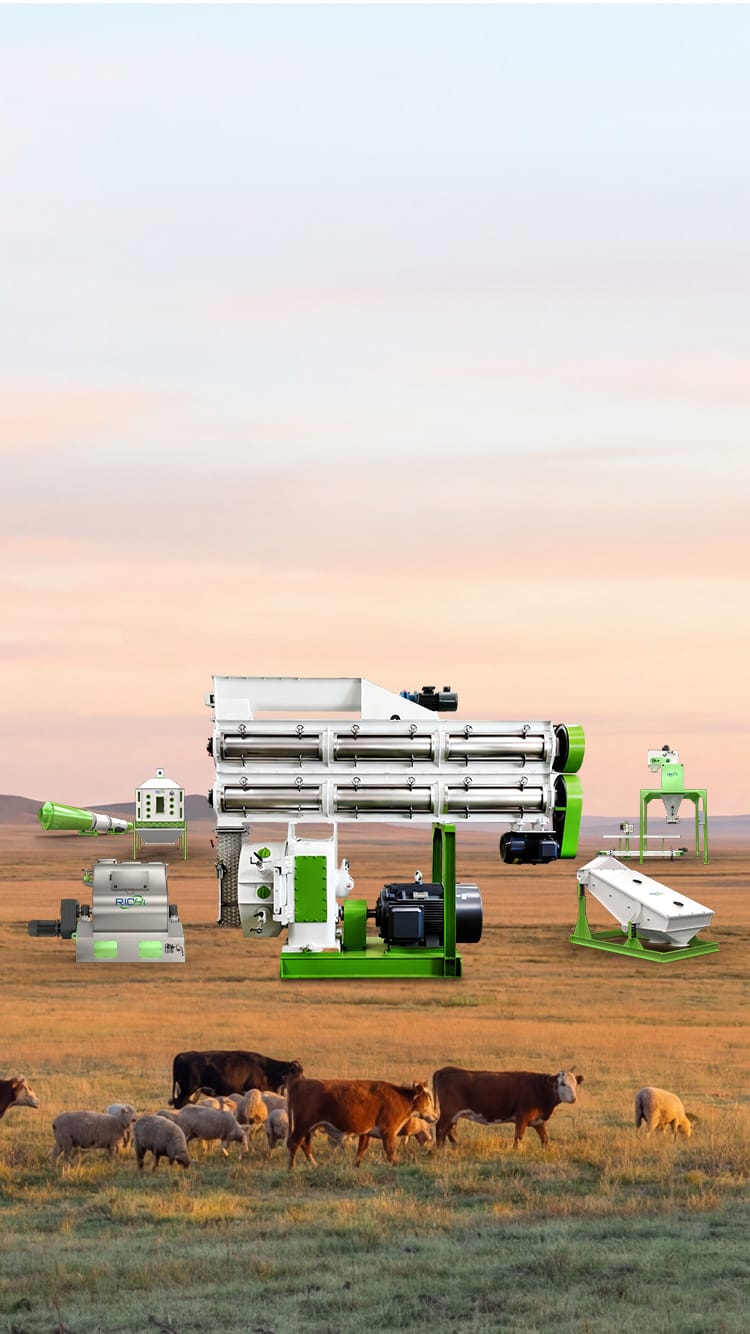
Turnkey Livestock Feed Machine Equipment Solution
cattle feed machine
Cow feed machine
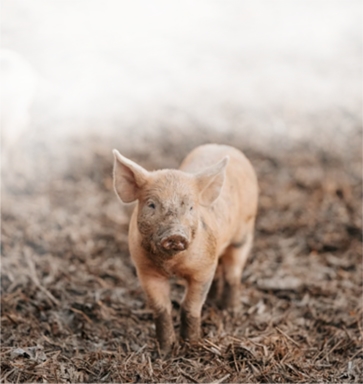
pig feed machine
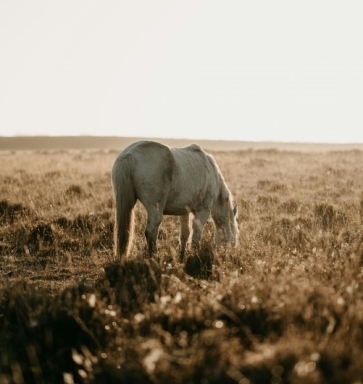
horse feed machine
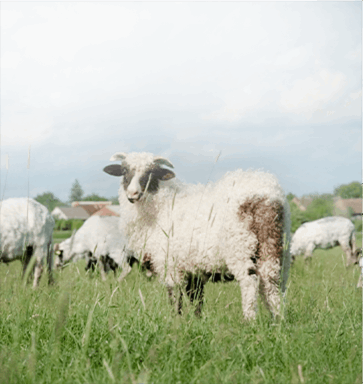
sheep feed machine

goat hen feed machine
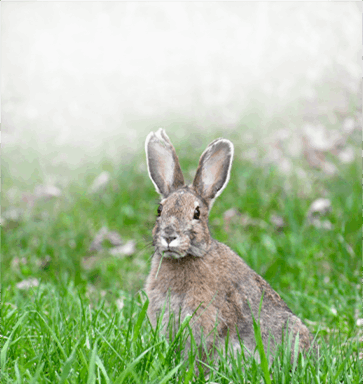
rabbit feed machine
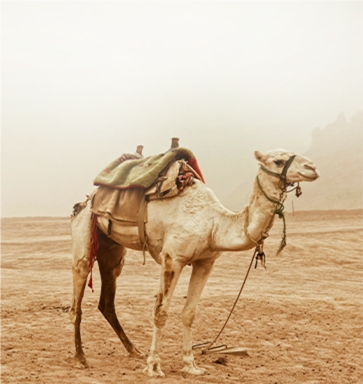
camel feed machine
What type of livestock feed do you need?
Those who raise livestock know that different animals have completely different dietary habits. Some animals are purely herbivores, eating only forage and grains; some need a mixture of grains and forage; and others require protein supplements.
This is why choosing the right livestock feed machine is crucial, as different feed formulations require different processing equipment and configurations.
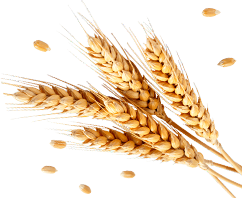
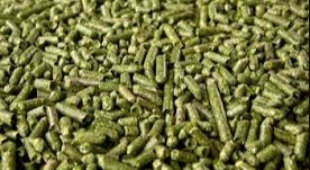
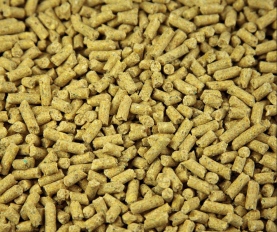
Different Animal Different Livestock Feed Machine



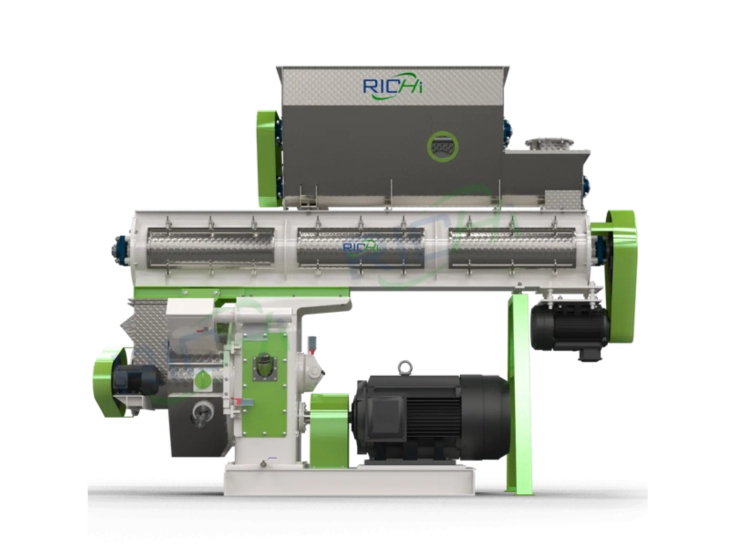
Cattle Feed Making Machine
Cattle feed requires large amounts of roughage (hay, straw, silage) combined with grains like corn, soybean meal, and wheat bran.
Equipment Features for Cattle:
- Suitable for processing high-fiber raw materials; can crush and pelletize straw and hay.
- Pellet diameter 6-8mm, suitable for cow’s mouth size, adjustable by growth stage.
- High output needed; adult cows consume 10-15 kg daily.
Sheep Feed Making Machine
Sheep, like cattle, are ruminants, but they are smaller and consume less feed daily than cattle. However, their feed pellet size requirements are different.
Equipment Features for sheep:
- Pellet diameter: 4-6mm, smaller than cattle feed pellets
- Can process roughage such as alfalfa, peanut vines, and corn stalks
- Lower capacity requirements; small farms use 1-3 tons/hour machines.
Pig Feed Making Machine
Pig feed has the largest market demand due to high pork consumption. Pig farming scales are large, and pigs grow quickly with high feed intake.
Equipment Features for Pig:
- Pellet diameter is adjusted according to the size of the pig: 2-3mm for piglets, 4-5mm for medium-sized pigs, and 6-8mm for large pigs.
- The main raw materials are grains, mainly corn and soybean meal, with relatively low crude fiber content.
Horse Feed Making Machine
Horse feed is in high demand in some regions, especially in areas with horse racing industries or equestrian sports.
Equipment Features for Horse:
- Horses have large mouths, so the pellets can be larger, typically 6-10mm in diameter.
- Mainly composed of oats, alfalfa, and hay, with a small amount of concentrated feed.
- High requirements for feed quality; no mold or impurities are allowed.
Rabbit Feed Making Machine
Rabbit farming has become increasingly popular in recent years, with growing market demand for both meat rabbits and fur rabbits.
Equipment Features for Rabbit:
- Pellet diameter 2-4mm; rabbits have small mouths, so the pellets need to be small.
- Mainly uses grass powder (alfalfa, timothy hay) mixed with grains.
- Moderate hardness needed; too hard for chewing, too soft breaks easily.
Camel Feed Making Machine
Camel feed demand is mainly in the Middle East, North Africa, and Northwest China. Though smaller market, demand remains stable.
Equipment Features for Camel:
- Camels are large animals with large mouths, so a pellet diameter of 8-10mm is most suitable.
- They are tolerant of roughage and can consume large quantities of straw, hay, and other coarse feeds.
- The feed formula is simple and does not require much concentrate.
Different models of livestock feed making machine
RICHI has specially developed the CZLH series livestock feed making machine, specifically designed to process various crop straws (corn stalks, wheat straw, rice straw, etc.), forage grasses (alfalfa, timothy grass, ryegrass, etc.), and other high-fiber raw materials such as rice husks. You might ask: Isn’t a regular pellet mill sufficient? Not really. Straw and forage have extremely high fiber content and strong toughness, which ordinary pellet mills simply cannot handle.
CZLH320 livestock feed pellet machine
- Output: 0.5-0.6 tons/hour
- Main Motor Power: 22 kW
- Arch-breaking Feeder: 2.2 kW
- Forced Feeder: 0.75 kW
- Ring Die Inner Diameter: 320mm
- Pellet Diameter: 4-12mm
CZLH350 livestock pellet machine
- Output: 1.0-1.2 tons/hour
- Main Motor Power: 37 kW
- Arch-breaking Feeder: 2.2 kW
- Forced Feeder: 0.75 kW
- Ring Die Inner Diameter: 350mm
- Pellet Diameter: 4-12mm
CZLH420 livestock feed machine
- Output: 1.8-2.0 tons/hour
- Main Motor Power: 90 kW
- Arch-Breaking Feeder: 3 kW
- Forced Feeder: 1.5 kW
- Ring Die Inner Diameter: 420mm
- Pellet Diameter: 4-12mm
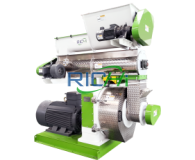
CZLH520 livestock pellet maker
- Output: 2.8-3.0 tons/hour
- Main Motor Power: 132 kW
- Arch-breaking Feeder: 3 kW
- Forced Feeder: 1.5 kW
- Ring Die Inner Diameter: 520mm
- Pellet Diameter: 4-12mm
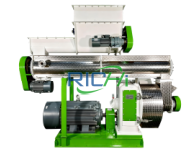
CZLH678 livestock pellet maker
- Output: 4-5 tons/hour
- Main Motor Power: 185 kW
- Arch-Breaking Feeder: 3 kW
- Forced Feeder: 1.5 kW
- Ring Die Inner Diameter: 673 mm
- Pellet Diameter: 4-12 mm
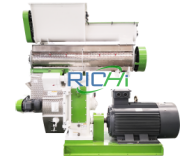
CZLH768 livestock feed pellet machine
- Output: 6-8 tons/hour
- Main Motor Power: 250 kW
- Arch-Breaking Feeder: 4 kW
- Forced Feeder: 1.5 kW
- Ring Die Inner Diameter: 762 mm
- Pellet Diameter: 4-12 mm
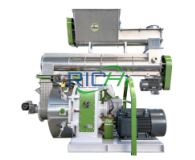
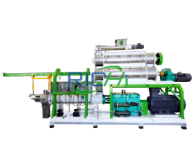
Livestock feed extruder
For customers with unique processing needs or special feed formulations, RICHI offers customized livestock feed extruders. Some feed manufactures have specific processing techniques that require the production of specialty feeds that traditional pellet mills cannot handle.
Our engineering team designs customized extruder systems based on your raw materials and production requirements, including barrel temperature, screw configuration, and die specifications.
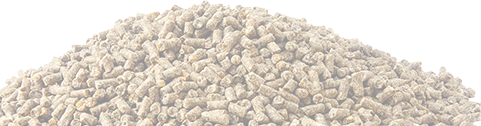
Choosing the Right livestock feed making machine for You
Every RICHI livestock feed machine undergoes rigorous testing to ensure stability, durability, and a high return on investment. Want to know which model is best suited for your farm size and production needs? Contact us and let our professional team recommend the most suitable solution for you.
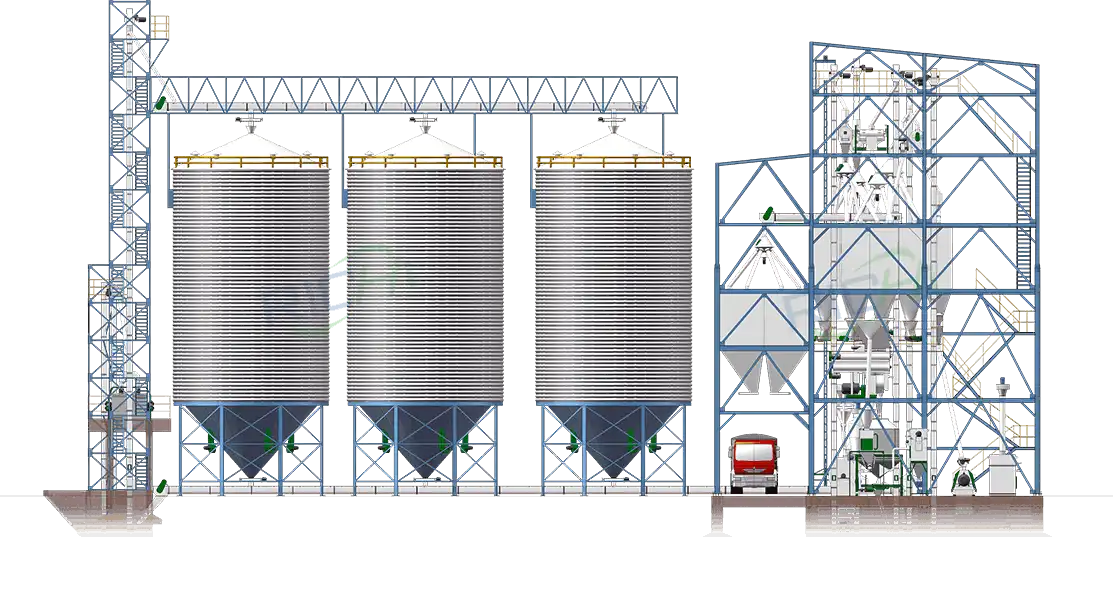
Complete solutions for livestock feed production
The livestock feed pellet mill is the core equipment, but stable production requires a complete system with properly matched components. RICHI provides both individual livestock feed machines and customized complete production line solutions tailored to your raw materials, capacity, site, and budget. Our technical team supports you from process design to equipment configuration, ensuring a practical, reliable solution for long-term stable operation.
Cattle Feed Production Line
We provide complete production line solutions tailored to the nutritional needs of cattle at different growth stages. Whether it’s calves, lactating cows, beef cattle, or dairy cows, our solutions can accommodate the processing of silage, straw, and concentrated feed in appropriate proportions.
We previously completed a similar project for a large beef cattle farm in Russia. The entire process significantly improved feed conversion rates, leading to increased farm profits.
Sheep Feed Production Line
Combining the ruminant characteristics of sheep, we have created a complete, dedicated production line. It can finely process hay, straw, and grains, precisely controlling the ingredient ratios.
Previously, we designed a solution for a Spanish client’s sheep farm. After the equipment was officially put into operation, feed waste was reduced, and the sheep’s fattening speed improved significantly.
Pig Feed Production Line
Tailored to the nutritional needs of piglets, fattening pigs, and sows at different growth stages, we offer complete production line solutions from ingredient preparation, crushing, and mixing to pelleting, cooling, and screening.
The protein and energy levels can be precisely controlled according to the nutritional needs of pigs at different stages. This production line can operate fully automatically, requiring only 2-3 people for supervision.
Horse Feed Production Line
Considering the specific requirements of horses regarding feed palatability and nutritional structure, we focus on the fine processing of grains and forages.
The production line, through rationally designed crushing and mixing processes, ensures that the feed pellets are fine and nutritionally balanced, meeting the needs of daily feeding and high-intensity exercise. It is ideal for racetracks and professional equestrian facilities.
Rabbit Feed Production Line
Rabbits primarily consume high-fiber, small-particle feed, with specific requirements for particle size and structure. Our rabbit feed production line can be equipped with small-aperture dies to stably produce uniform, fine feed pellets that meet the feeding habits of rabbits.
We previously completed a project for a rabbit farm in France, and the results showed that small-particle feed reduced waste and shortened the growth cycle of the rabbits.
Camel Feed Production Line
The entire system can be adjusted according to local raw materials. We will first consider locally abundant and inexpensive materials as raw materials, and we can provide you with a free camel feed pellet formula.
Camels are tolerant of coarse feed and have a strong adaptability to roughage materials such as straw and hay. In the production line configuration, we have strengthened the processing capacity for coarse fiber materials to ensure thorough processing of the raw materials.
Real Livestock Feed Machine Projects Worldwide
These two real-world project videos provide a direct understanding of the practical application and effectiveness of livestock feed machines in ranches worldwide. From reducing feed costs to improving production efficiency, they demonstrate the long-term value that the equipment brings to ranches.
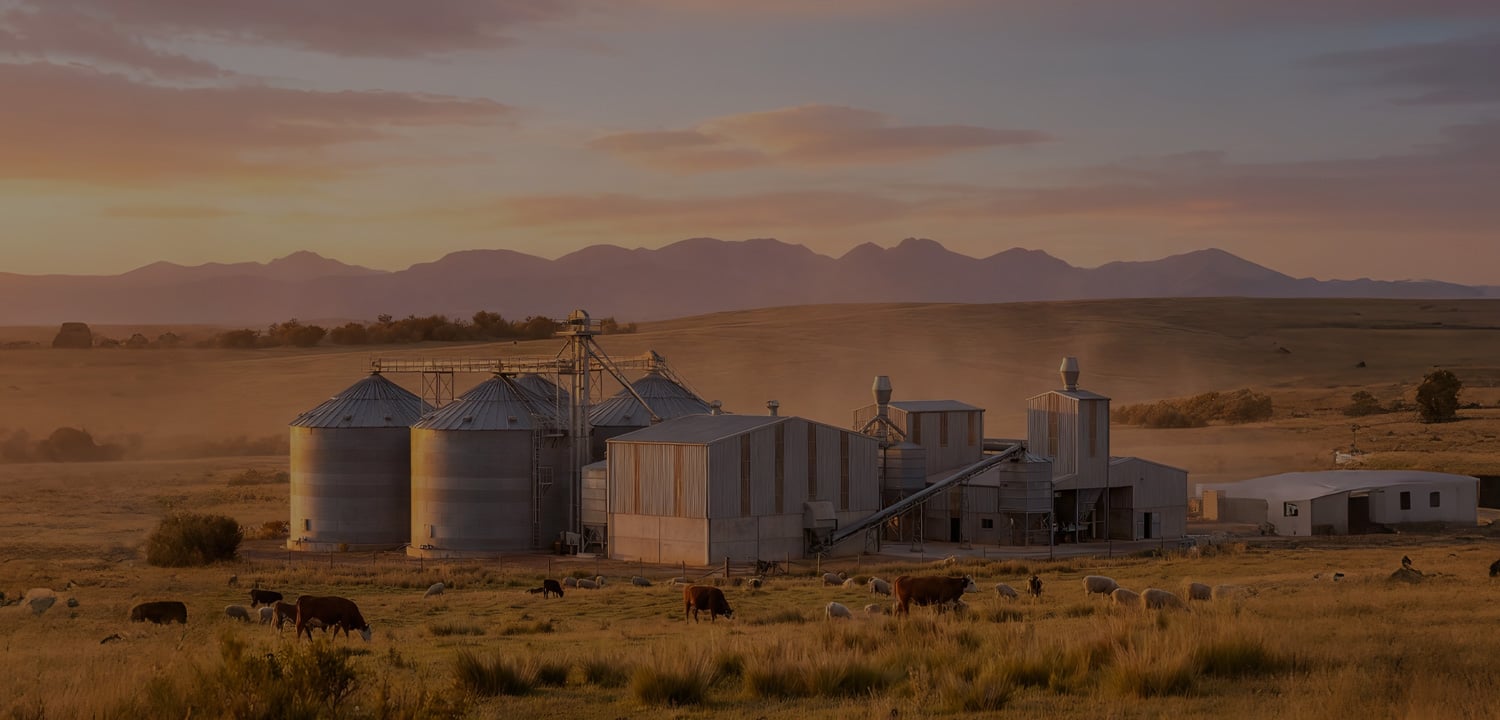
Livestock Feed Machine for sale Global
Every farm faces its own challenges—capacity, cost, space, and raw materials. Looking at how these customers solved their specific problems with the right livestock feed machine might offer some inspiration.
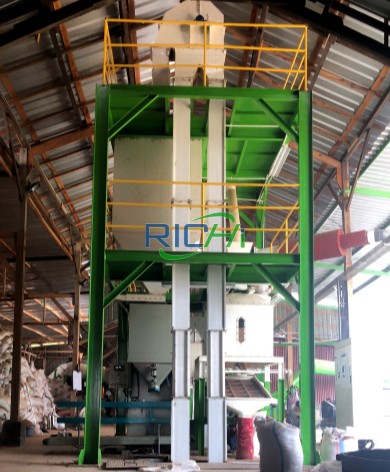

Modern Pig Feed Mill Expansion in Vietnam
Expanding fully automated lines for large-scale pig farms, specializing in high-nutrition feed for piglets and sows.
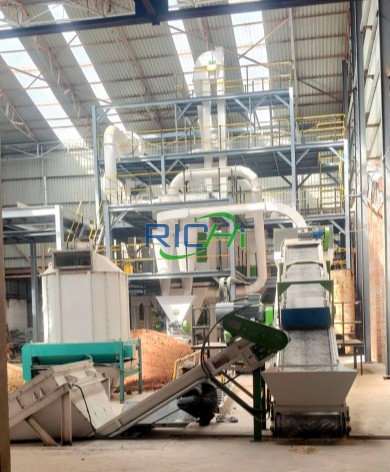

Dedicated Horse Feed Production Line in Saudi Arabia
Dedicated line for horse feed, finely processing oats and barley, providing rich nutrition and meeting the dietary needs of horses.
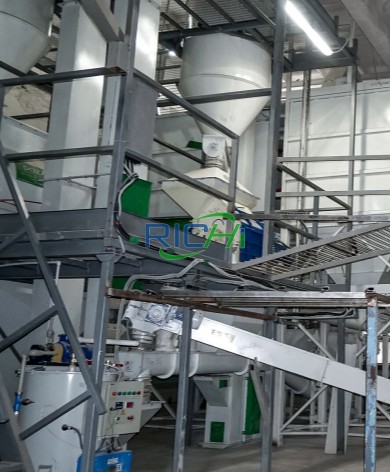

Rabbit Farming Feed Production Center in France
Adding a 2 mm high-fiber pellet feed line to rabbit farms, saving feed and increasing efficiency.
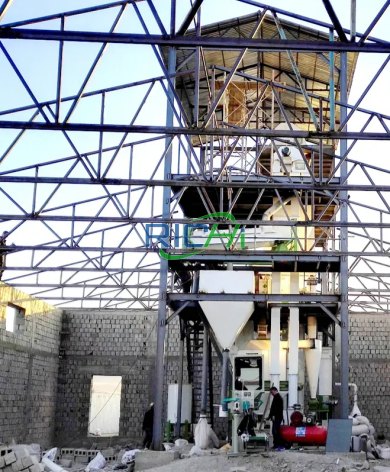

Camel Feed Processing Plant in Somalia
Building a camel feed factory using straw, ensuring a continuous supply of feed during the dry season.
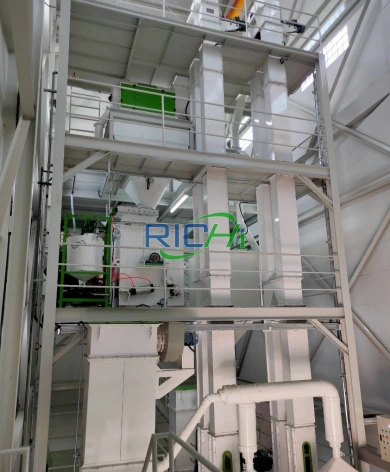

Comprehensive Livestock Feed Mill in the USA
Upgrading an old factory with a single line that can flexibly switch between cattle, pig, and sheep feed, saving energy and improving efficiency.
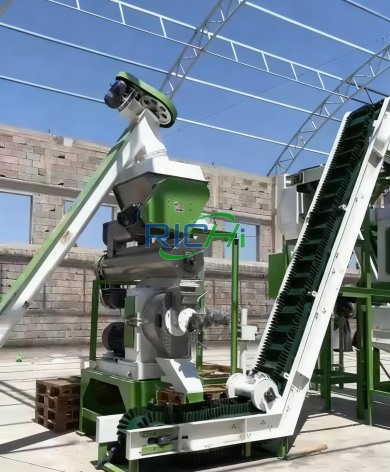

Small-Scale Poultry Feed Line in Brazil
The equipment has a small footprint, requiring only two people to complete a full day’s production, resulting in a significant improvement in chicken survival rates.
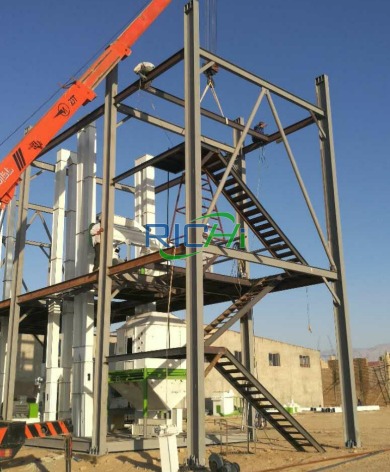

Feed Production Line for Australian
The feed production line is designed to meet the actual needs of Australian ranches, balancing stable output, flexible formulation, and long-term operating cost control.
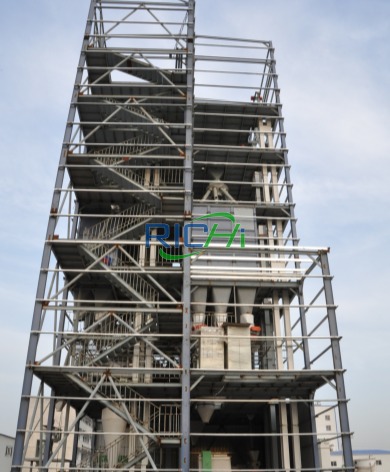

livestock feed machine in Mexico
A large dairy farm built its own feed processing workshop, equipped with a complete set of livestock feed machines. Precise feed formulation according to different lactation stages increased yield per cow and reduced feed costs.
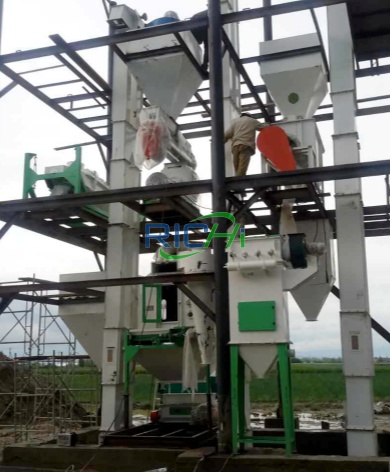

Cattle Feed Processing Plant in Argentina
Customers choose to purchase bulk raw materials such as corn and soybean meal in a unified manner, and large-scale production reduces the cost per ton of feed.
Customer feedback and positive reviews
★★★★★
We’ve been using RICHI livestock feed machine on our cattle farm for 3 years, and the quality is excellent. We compared several companies before choosing RICHI because of their professionalism.

John Smith – USA
★★★★★
I started with small equipment, initially buying the CZLH250. After two years, my business grew, so I bought the CZLH420. RICHI’s equipment is truly high-quality, and the price is fair.

Rajiv Patel – India
★★★★★
In Egypt, feed is the biggest cost in sheep farming. After buying RICHI’s 5-ton/hour production line, we can mix our own feed, reducing costs by more than 40%.

Mohammed Ali – Egypt
★★★★★
The South African feed market is highly competitive, but our products are very popular. This is all thanks to RICHI’s feed equipment, which produces clean and uniform pellets, and our customers are very satisfied.

Peter Van den Berg – South Africa
★★★★★
We are a large pig farm and have very high demands on equipment. RICHI’s equipment has strong production capacity and good stability, and most importantly, the after-sales service is exceptional.

Maria Santos – Brazil
★★★★★
Sheep farming is common in Ireland, but most people still buy feed. I decided to make my own and bought RICHI equipment. Now I not only use it myself but also sell it to surrounding farmers.

James O’Connor – Ireland
Livestock Feed Production Line Process Flowchart
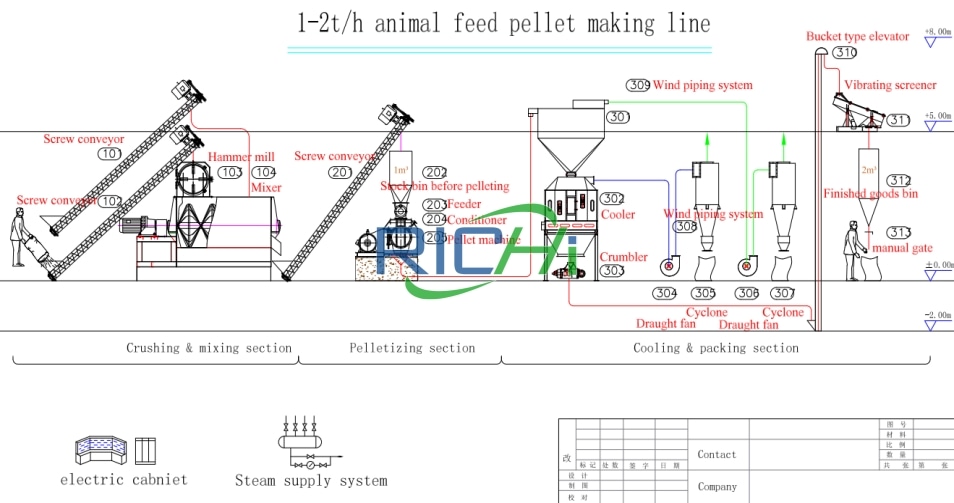
1-2 T/H Livestock Feed Production Line
This is a basic livestock feed production line, suitable for small farms just starting to make their own feed.
With Crusher System (left image): Includes crushing and screening, allowing different pellet sizes for cattle, sheep, and young livestock in one line.
Without Crusher: Crushing section can be removed to lower investment and save space.

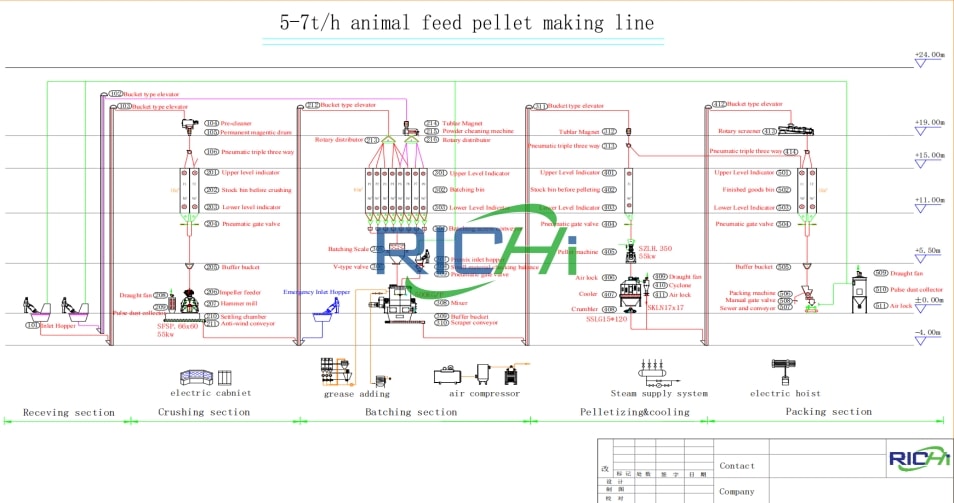
5-7 T/H Livestock Feed Production Line
A popular mid-scale configuration for large farms and commercial livestock feed plants.
Automated Version (shown in the diagram): PLC control, automatic batching, centralized monitoring, extremely high efficiency.
Manual/Semi-automatic Optional: Reduces initial investment, but requires an additional 2–3 workers.
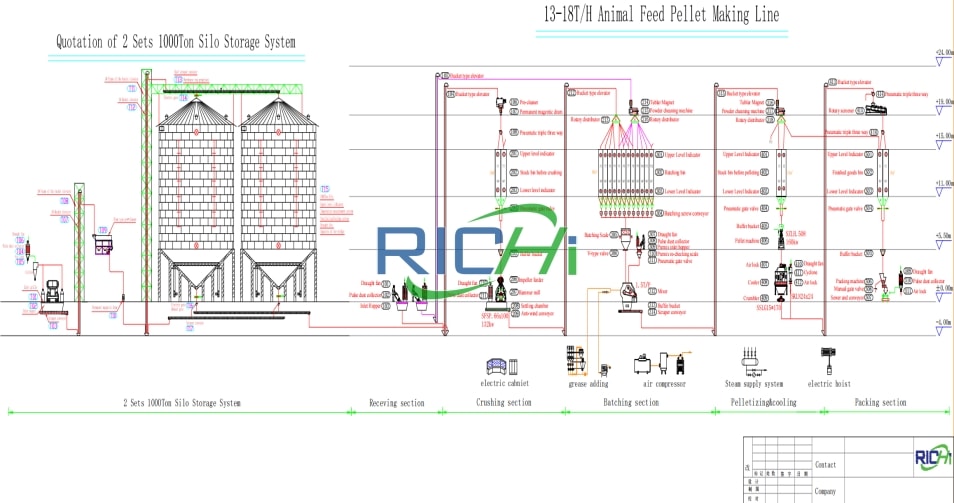
13-18 T/H Livestock Feed Production Line
A large-capacity line for commercial feed mills and agricultural enterprises.
With Silo Solution (shown in the diagram): Strong raw material storage capacity, suitable for continuous and stable production.
Without Silo Optional: Suitable for customers with limited space or stable raw material supply, effectively reducing civil engineering and investment costs.
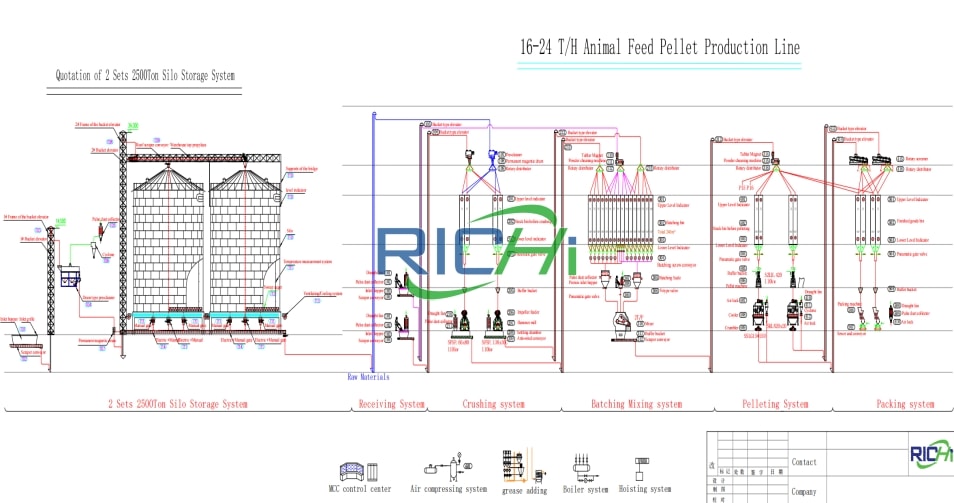
20 T/H Livestock Feed Production Line
An industrial-grade, fully automated livestock feed machine solution for ultra-large feed production.
Fully Automated Control: Centralized control system, automatic formula switching, stable operation, requiring only a small number of operators to supervise operation.
Suitable for: Large feed groups, ultra-large-scale livestock farms, regional feed supply centers

Project Consulting & Solution Customization

Equipment Manufacturing & Quality Assurance

Installation, Commissioning, and Personnel Training

Long-Term Technical Support & Spare Parts Service
Contact us now to get a tailored solution, competitive pricing, and professional support for your feed project.
Complete livestock feed production line process
Some clients ask: Is the livestock feed production process very complicated? Actually, the process is quite clear. A modern livestock feed production line simply mechanizes and automates the traditional manual feed production steps. Below, we’ll use the most intuitive method to guide you through the complete livestock feed production process, so you clearly understand how a production line operates after you invest in it.
Livestock Feed Production Process Flow Chart
Below is a standard livestock feed production line process flow, clearly showing from left to right how materials are transformed into finished pelleted feed step by step. The core process is basically the same for production lines of different production scales; only the equipment models and levels of automation differ.

1、Reception and Storage

2、Cleaning and Removal

3、Crushing and Grinding

4、Batching and Weighing

5、Mixing and Blending

6、Pelleting and Forming

7、Pellet Cooling Process

8、Pellet Drying Process

9、Screening and Grading

10、Coating and Packaging
Livestock Feed Production Equipment Showcase
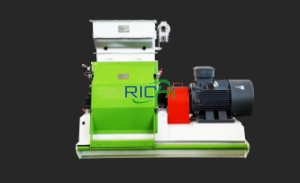
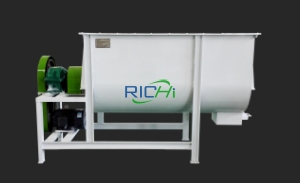
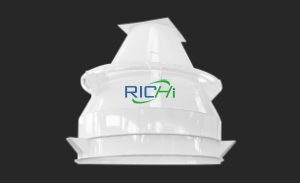
The flowchart provides an overview of the production process, but here we show all the livestock feed machines used in the livestock feed production line—from receiving to packaging—allowing you to see precisely all the equipment that makes up a complete livestock feed production system.
Livestock Feed Crusher
Livestock Feed Mixer
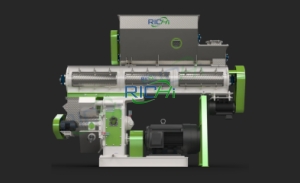
Livestock feed pellet maker
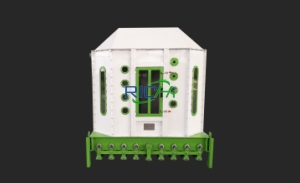
Feed Pellet Cooler
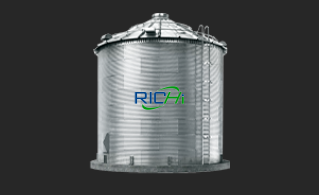
Receiving & Storage Silo
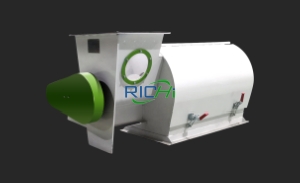
Powder Cleaning Screen
batching scale
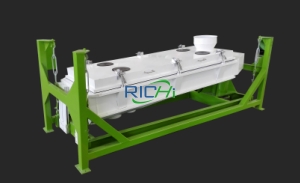
Rotary Feed Screen
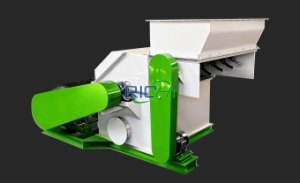
Forage/Grass crusher
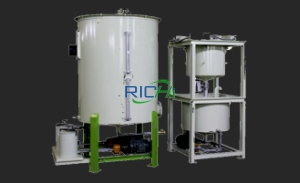
Oil Addition Equipment
Livestock Feed Crumbler
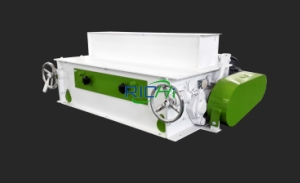
Vacuum coating equipment
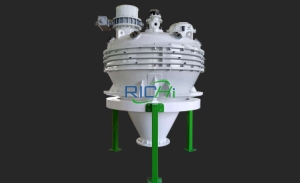
Belt Conveyor
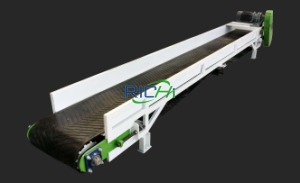
U-shaped scraper conveyor
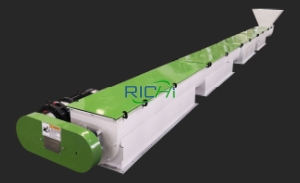
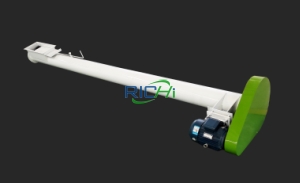
Screw conveyor
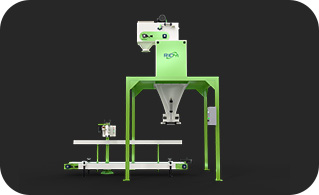
feed packaging machine
If you are considering building a new livestock feed production line or upgrading an existing one, feel free to contact us. Our team can help you evaluate your raw materials, capacity needs, and site conditions to recommend a practical and efficient solution.

Future Market Prospects for Livestock Feed
The livestock feed machine industry is currently entering a new stage of development. Global demand for meat and protein is constantly increasing, and farming methods in various countries are also upgrading. From the expanding scale of farming in Asia to the higher requirements for feed nutrition formulation and production precision in North America, different regions have their own opportunities.
Asia
1

The World’s Largest and Fastest Growing Market
Asia accounts for over 35% of global feed production, with an annual output exceeding 400 million tons, and continues to grow at an average annual rate of 3-5%.
Africa
2

A High-Potential Emerging Market
Africa is currently one of the fastest-growing regions in the feed industry, but the adoption rate of industrialized feed remains low, indicating a very large overall market potential.
Europe
3

Strict Regulations, Highly Standardized Market
Europe’s feed production is approximately 200 million tons. The market is mature and regulated. Strict regulations mean high barriers to entry, but once entered, it’s a market worth cultivating.
North America
4

Highest Scale and Largest Demand
North America’s annual production remains stable at over 200 million tons, with the USA dominating.
South America
5

Abundant Feed Raw Material Resources
South America is a major global producer of corn and soybean meal. The feed industry is rapidly upgrading towards large-scale and industrialized production, resulting in very rapid market growth.
Oceania
6

Specialized and Export-Oriented Market
While not the largest market, Oceania boasts high specialization and mature customers with strong acceptance of quality feed and livestock feed machine, catering to local and export markets.
Frequently Asked Questions
I have no experience in animal feed production. Can I learn to operate this equipment?
+
Absolutely! Our livestock feed machine is actually quite simple to operate, and we provide comprehensive training and support.
1、Pre-sales Guidance:
- Free Formula Consultation: We have a team of nutritionists who can design feed formulas for you based on your animal species.
- Raw Material Suggestions: We’ll tell you which raw materials are suitable in your area, how to select them, and how to store them.
- Production Process Explanation: We’ll explain the entire production process in detail so you have a clear understanding.
2、In-sales Training:
- During installation and commissioning, our engineers will provide hands-on training to your workers on-site.
- Training content includes: equipment operation, parameter adjustment, daily maintenance, and troubleshooting common problems.
- Training time is 3-7 days, until your team fully masters the skills.
3、After-sales Support:
- Detailed operation manuals and video tutorials
- 24-hour technical hotline to answer questions anytime
- Remote video guidance; most problems can be solved remotely
- Regular follow-ups to understand production status and provide improvement suggestions.
Many customers started with no experience, beginning from scratch. After our training and guidance, they are now very successful. Some customers have even learned techniques from us and gone on to instruct others, becoming local “experts.”
What are the differences in livestock feed machine requirements between making cattle/sheep feed and making pig/chicken feed?
+
The main difference lies in the required pellet diameter and hardness. Ruminants like cattle and sheep require coarser pellets (6-8 mm in diameter) because their digestive systems are suited to chewing larger particles; pig feed typically uses 4-6 mm pellets, while chicken feed requires finer pellets (2-4 mm).
In addition, cattle and sheep feed contains more crude fiber (such as straw and hay powder), requiring more powerful motors and more wear-resistant molds; pig and chicken feed is mainly concentrate, which is relatively easy to press. Pig feed, in particular, usually contains premixes (containing vitamins, trace elements, amino acids, etc.), and these premixes have fine components, requiring high uniformity in mixing.
When producing pig feed containing premixes, it is recommended to use a twin-shaft paddle mixer, with a mixing time of at least 8-10 minutes to ensure the premix is evenly distributed in the whole feed, avoiding nutritional deficiencies in some pigs due to uneven mixing. Furthermore, the pelleting temperature should not be too high, as high temperatures can destroy the vitamin activity in the premix.
If you need to produce multiple feeds, it is recommended to choose a model with interchangeable dies of different aperture sizes, so that one machine can meet different needs. Equipping yourself with a high-quality mixer is especially important for producing concentrate-type feeds like pigs and chickens.
Can a livestock feed pellet mill be used to produce feed for different animals?
+
Absolutely! Our feed pellet mill is a universal machine that can produce feed for various livestock or ruminants, including cattle, sheep, pigs, horses, rabbits, and camels.
How does a livestock feed pellet mill produce feed for multiple animals simultaneously?
- Changing the die: Different animals require different pellet sizes; simply change the die with a different aperture. For example, use a 6-8mm die for cattle feed and a 2-4mm die for rabbit feed.
- Adjusting the formula: Different animals have different nutritional needs; adjust the raw material formula. The equipment doesn’t need to be changed, only the formula.
- Flexible production: Produce pig feed in the morning, and in the afternoon, change the die and formula to produce sheep feed—very flexible.
Many customers use one machine to produce multiple feeds, meeting the needs of their different animals and also allowing them to sell various products externally, expanding their market.
How long can the produced feed pellets be stored? What storage conditions are required?
+
Normally produced feed pellets can be stored for 3-6 months under appropriate conditions. The key is to control moisture and temperature:
- Pelletizers must be cooled after exiting the machine, and only bagged when the temperature is within 5 degrees Celsius above room temperature; otherwise, they will mold and spoil due to heat buildup.
- Moisture content should be controlled below 12%; exceeding 13% easily leads to mold growth.
- The storage environment should be dry and well-ventilated, ideally with a temperature below 25 degrees Celsius and a relative humidity not exceeding 65%.
In hot and humid summer areas, it is recommended to use the pellets immediately after production and store them for no more than one month. In dry winter areas, they can be stored for longer. When using woven bags for packaging, use pallets to keep them off the ground; do not stack them against walls, and leave ventilation gaps between each pile. Feed with added oil is prone to oxidation, which will shorten its shelf life.
About richi machinery
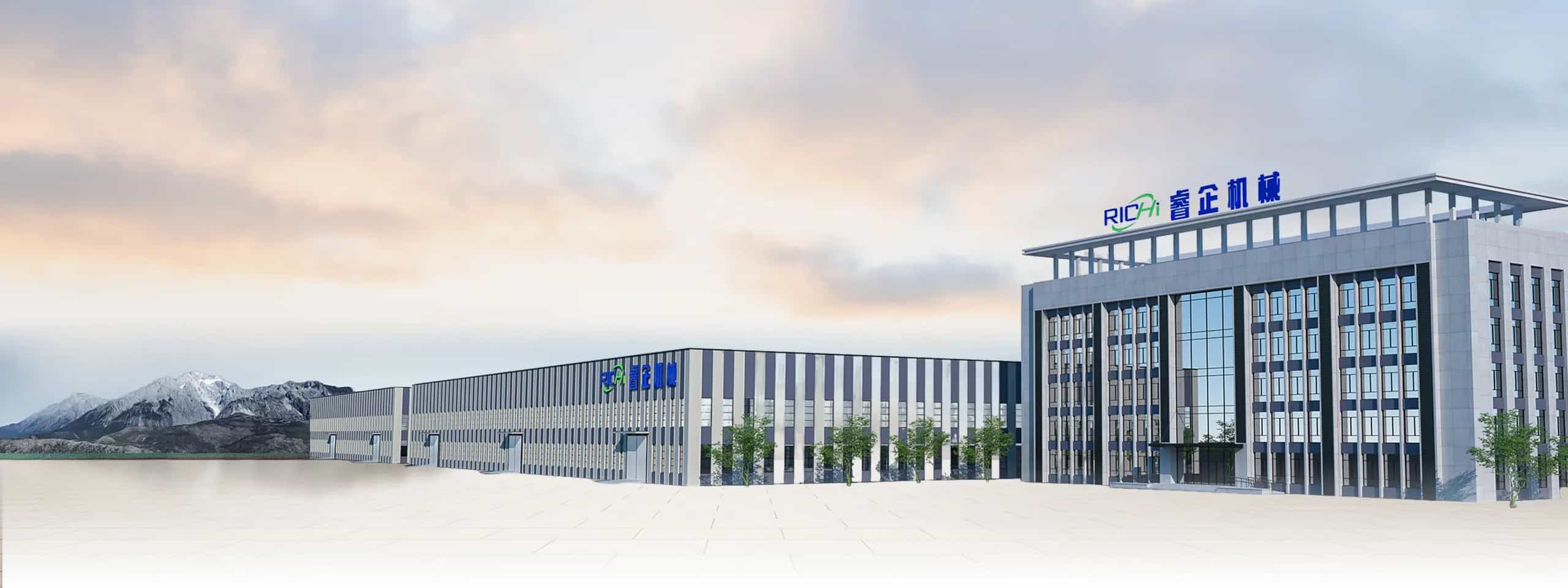
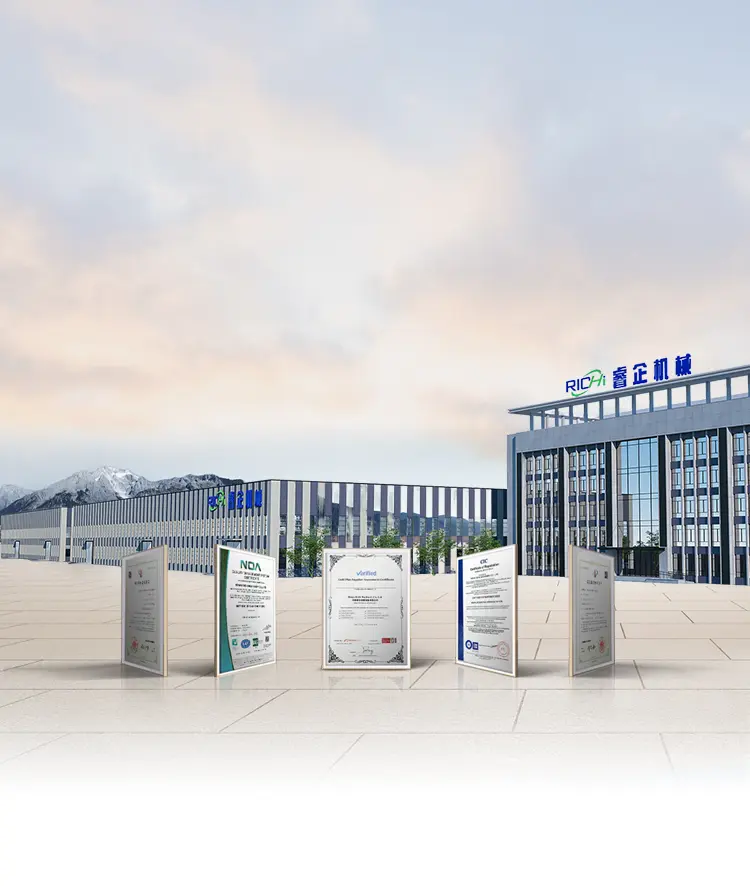
RICHI Machinery is a professional manufacturer specializing in the research, development, production, and sales of feed machinery and equipment, with over 30 years of experience in the livestock feed machine industry. We have always adhered to the principle: focus on product quality and customer service, and business will naturally follow. Step by step, we have sold our products to over 140 countries worldwide, gradually building our reputation and experience. Customers who find our equipment satisfactory recommend us to others. Because we have encountered diverse needs and situations, we truly understand the pain points of different customers and can provide the most suitable solutions.
30+
years
Experience
140+
Export Countries
80000+
㎡
Factory Area
1000+
Projects
If you are planning or upgrading your livestock feed project, please feel free to contact us. RICHI Machinery will provide you with professional solutions truly tailored to your needs.
Our Core Services

Free Project Consultation

Customized Planning Solutions

On-site Installation and Commissioning

Complete Personnel Training
Warranty and Repair Services
Online Technical Support
Fast Spare Parts Supply