
Chicken Feed Pellet Machine For Sale
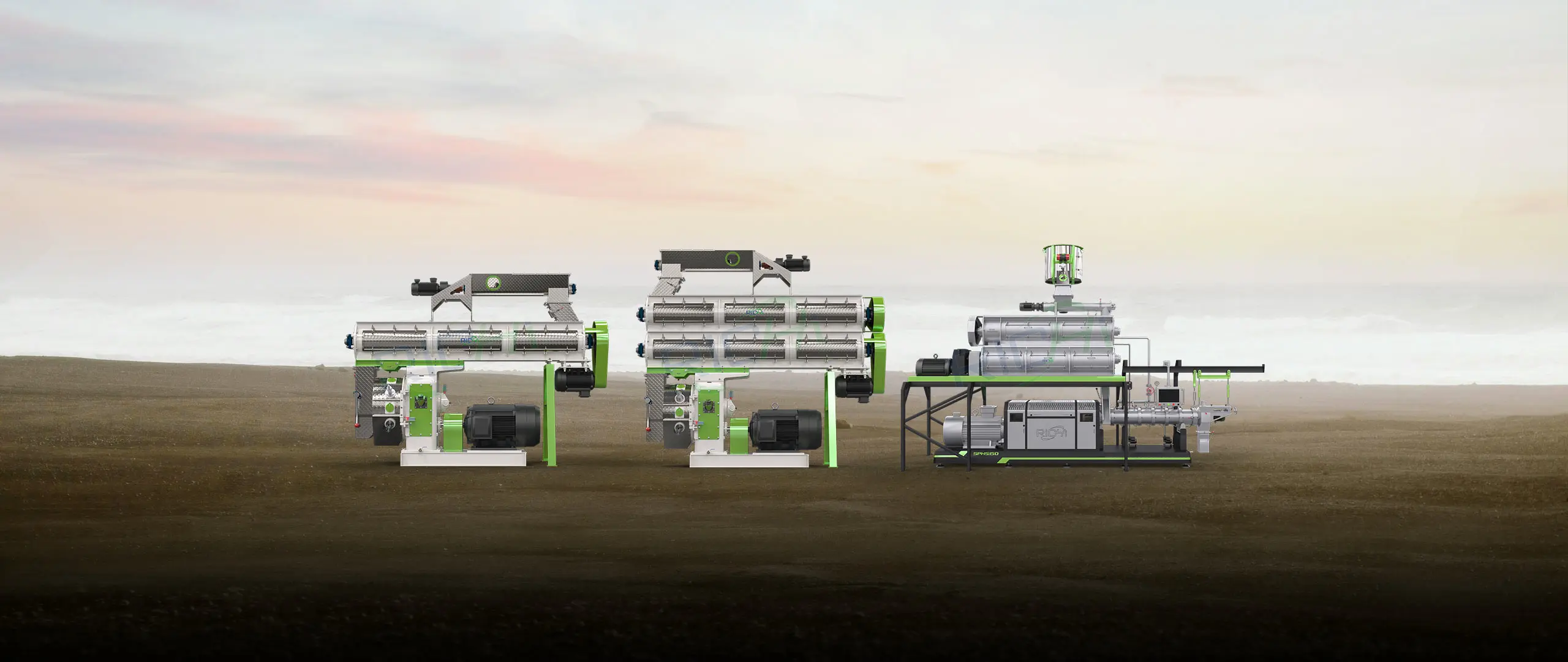
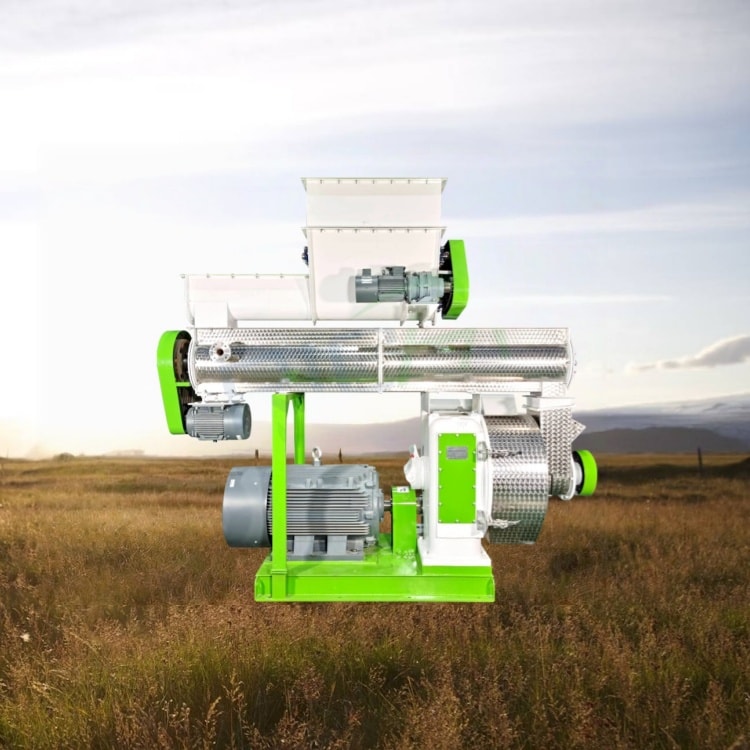
Introduction of Chicken Feed Pellet Machine for Sale Global
With over 30 years of professional manufacturing experience, our chicken feed pellet machine for sale have been successfully exported to 140+ countries and regions worldwide, covering markets across the Middle East, Southeast Asia, Africa, Central Asia, South America, and Europe.
When looking for a chicken feed pellet machine for sale, you shouldn’t just focus on specifications and price comparisons. You also need to see how the machine actually performs. Does the machine produce pellets smoothly when you feed it corn or soybean meal? Will the production line experience any glitches and slowdowns? And how well does it perform when others have purchased it? The following test video may provide some insights.
2-6mm
Pellet Size
1-40T/H
Output
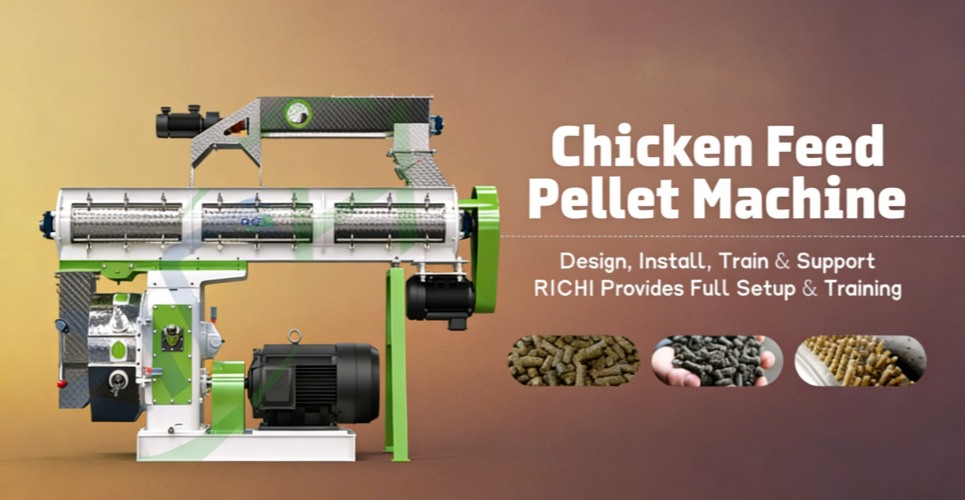
Different models of Chicken Feed Pellet Machine For Sale
When searching for chicken feed pellet machine for sale online, you might wonder: Can the machine adjust pellet size for chicks, broilers, and layers? Can you mix corn, soybean meal, fish meal, and grass meal together? For a small feed mill with a few thousand chickens, how do you avoid buying a machine that’s too big or too small? Please feel free to contact us anytime to answer any questions you may have. Our team will provide you with a fully customized equipment solution.
| Chicken Feed Pellet Making Machine Specifications and Technical Parameters | ||||||||
| Model | SZLH250 | SZLH320 | SZLH350 | SZLH420 | SZLH508 | SZLH558 | SZLH678 | SZLH768 |
| Main Motor Power (kW) | 22 | 37 | 55 | 110 | 160 | 185 | 250 | 315 |
| Feeder Power (kW) | 1.1 | 1.5 | 1.5 | 1.5 | 1.5 | 1.5 | 1.5 | 2.2 |
| Conditioner Power (kW) | 1.5 | 4 | 4 | 7.5 | 7.5 | 11 | 11 | 11 |
| Die Inner Diameter (mm) | 250 | 320 | 350 | 420 | 508 | 558 | 673 | 762 |
| Finished Pellet Diameter (mm) | 2~12 | |||||||
| Output (T/H) | 1.0-1.5 | 3-4 | 5-6 | 10-12 | 15-16 | 20-22 | 30-33 | 38-40 |
chicken feed pellet making machine price and Model Display
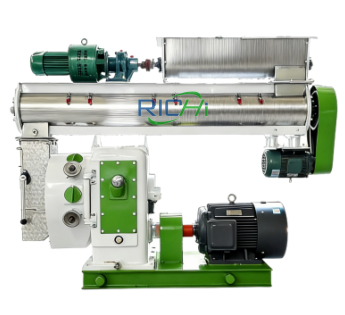
Highlights and Components of Chicken Feed Pellet Machine
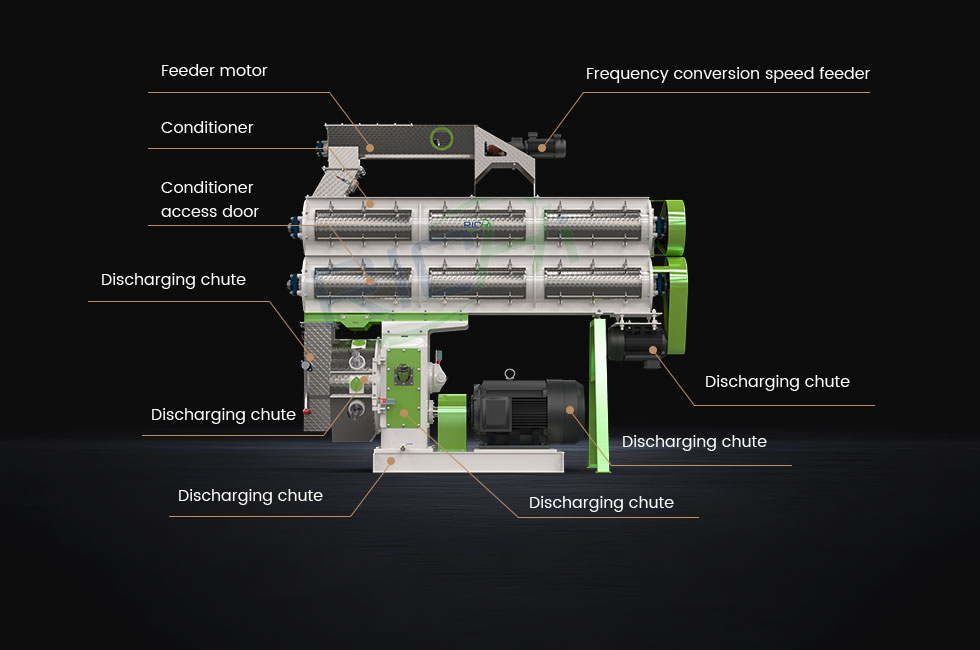
It can mix a variety of ingredients, including corn, soybean meal, and fish meal. A short tempering time at 70°C results in pellets with a nutritional density approximately 15% higher than powder feed, preventing nutrient deficiencies caused by picky eating.
By changing the ring die with different apertures, pellets ranging from 2 to 8 mm can be produced. This can be used throughout the entire production cycle of broilers and layers, eliminating the need for additional equipment, making it both convenient and cost-effective.
One-touch start/stop or touchscreen operation is simple and safe, even for beginners. The press rollers can be cleaned in 5 minutes, eliminating the need for specialized maintenance, significantly reducing maintenance costs.
For those seeking a reliable chicken feed pellet machine for sale, we offer a variety of models ranging from 1 to 40 tons/hour, and they can also be connected to a complete feed pellet production line. They are suitable for small poultry feed plant, cooperatives, and large commercial feed pellet mills.
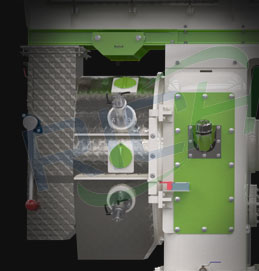
Pelletizing Chamber
The granulation chamber is the core area for pellet forming. It houses a ring die and pressure rollers, using high pressure to compress powder into pellets.
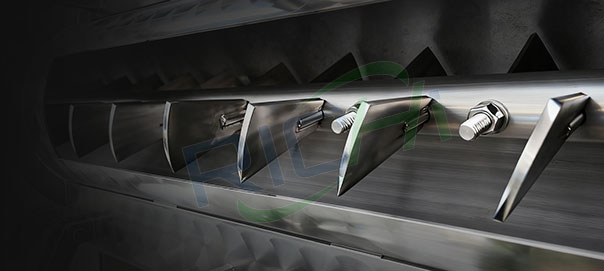
Conditioner Paddles
The conditioner paddles rotate in both directions to agitate the material, ensuring thorough mixing of steam and powder, thus gelatinizing the starch and improving pelleting results.
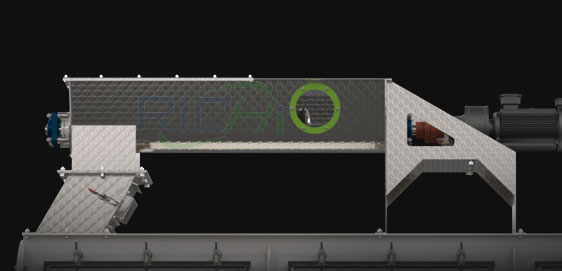
Feeder
The feeder controls the uniform and stable entry of material into the granulation chamber. Variable frequency speed control automatically adjusts the speed to ensure continuous production.
Motor
The motor provides power to the entire granulation system, driving the pressure rollers to complete the granulation process.
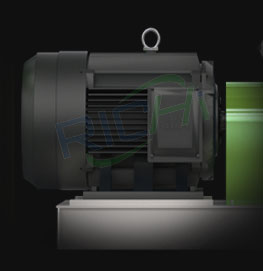
Chicken Feed Pellet Machine for Sale with Custom Configuration
Our chicken feed pellet machines can be customized to meet your raw material types and formulation needs. If you are unsure which raw materials to use, our professional technical team will design the most cost-effective chicken feed production solution for you, taking into account the resource advantages of your country and combining the cheapest and most readily available raw materials locally. Please feel free to contact us anytime.
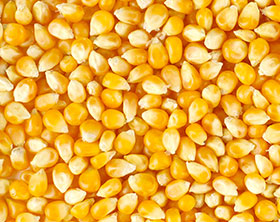
Corn
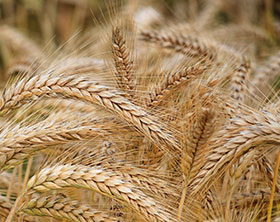
Barley, Wheat
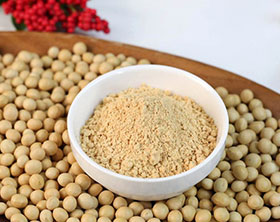
Soybeans, Soybean Meal
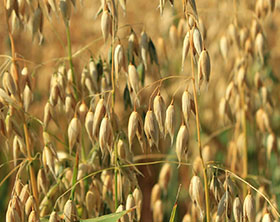
Oats
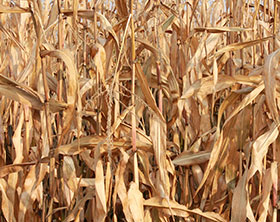
Straw, Wheat Straw
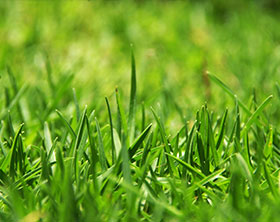
Green Grass
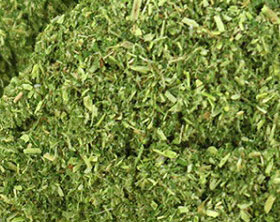
Alfalfa Meal
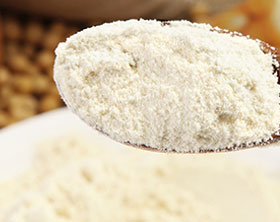
Grain Flour
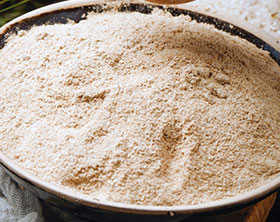
Bran
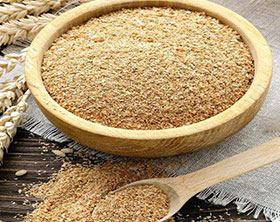
Rice Bran
Key Advantages of Chicken Feed Pellets
●
Increased Nutrient Intake
Pellet feed prevents chickens from being picky eaters, ensuring a balanced diet because each pellet contains all the grains, proteins, vitamins, and minerals a chicken needs.
●
Improved Feed Conversion Rate
The pelleting process uses high temperature and pressure to partially cook the feed, making starch easier to digest and protein easier to absorb. Chickens can gain weight or lay eggs with less feed, directly reducing feeding costs.
●
Reduced Feed Waste
Bulk powdered feed easily leads to a lot of waste. Pellet feed is more easily consumed by chickens, reducing waste by 15-30%. Reduced feed spillage also means cleaner chicken houses and reduced pest infestations.
●
Improved Feed Safety
The high temperatures (80-90°C) during pelleting kill harmful bacteria such as Salmonella and E. coli, as well as any mold spores present in the raw materials. This makes the feed safer and more hygienic, reducing the risk of disease in the flock.
●
Easier to Store and Handle
Pelleted feed is more compact than powdered feed, taking up less storage space. It is also less prone to moisture absorption and spoilage. The uniform pellet shape facilitates transportation and automatic feeder dispensing.
●
Long-Term Cost Savings
While investing in a chicken feed pellet mill requires initial capital, making your own pellets typically saves significantly more money than purchasing commercial feed. For farms with hundreds or thousands of chickens, this translates to substantial annual cost savings, allowing for a quick return on investment.
Advice on Purchasing a Chicken Feed Pellet Machine
Many first-time buyers of chicken feed manufacturing machines fall into these common pitfalls. Understanding these misconceptions and mastering these basic points can not only save you unnecessary expenses but also help you better understand the manufacturer’s capabilities.
- Focusing solely on output while ignoring the die compression ratio. In fact, pellet hardness and pulverization rate are related to the compression ratio.
- Ignoring local voltage. Incompatible voltages (380V, 415V, 220V) can prevent the machine from starting.
- Not considering the raw material moisture content. High moisture content can easily cause machine blockage and loose pellets.
- Blindly adding a conditioner. In some regions, the feed powder is already very fine and may not require conditioning.Not confirming spare parts availability. Dies and pressure rollers are consumables; timely availability is crucial.
- When purchasing chicken feed pellet machine for sale, many customers easily overlook verifying the supplier’s export experience. In fact, manufacturers like RICHI, with mature overseas project cases and a long-term export record, are better able to ensure that the equipment meets international standards, provide complete customs declaration and technical documents, and have a stable after-sales support system.
Cases about Chicken Feed Pellet Machine for Sale Global
The following projects are based on RICHI’s many years of overseas engineering experience, covering everything from ranch self-use and small-scale feed lines to large-scale group plants. Each case has undergone varying degrees of process adjustments based on local raw material conditions, climate, farming methods, and client budgets. We hope this information will be helpful for your own project development.

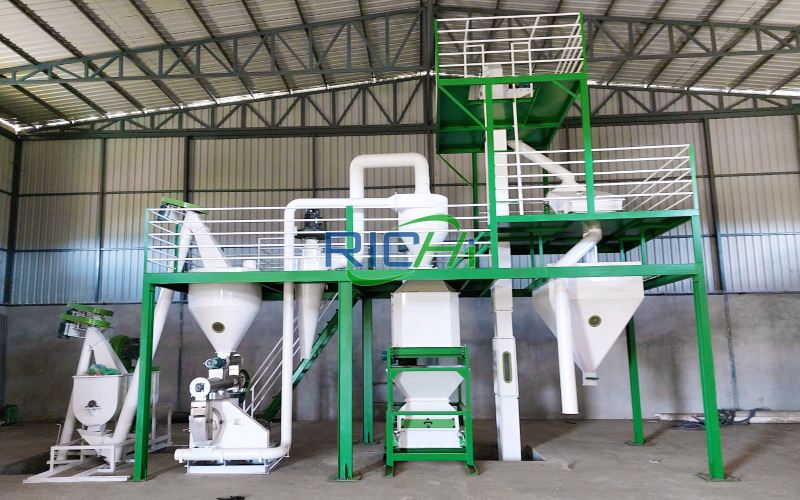
Australia
1 Ton/Hour animal feed pellet machine for sale Australia
A local farmer operates a farm with 5,000 broiler chickens. Due to the arid region, the main feed source is drought-resistant sorghum. The client desired equipment that is simple to maintain and can operate stably for a long period.
Time: October 2023
Feed Use: Broiler Finishing Pellets
Raw Materials: Sorghum, Alfalfa Meal, Soybean Meal, Wheat Bran
Project Duration: 10 days

Netherlands
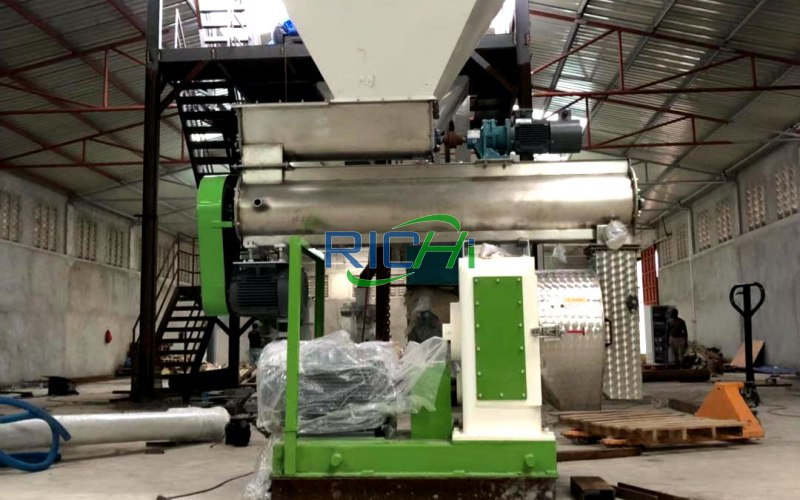
3T/H Chicken Feed Pellet Machine for Sale Netherlands
The Dutch client placed great emphasis on a balanced pellet mix; low pulverization rate; and a small footprint and compact layout for the entire equipment system.
Date: May 2023
Raw Materials: Local wheat, Belgian flaxseed meal, soybean meal, seaweed powder
Main Equipment List: 3T/H chicken feed production machine, precision feed scale, small twin-shaft mixer, conditioner
Client Feedback: “The pellet quality is excellent, and the pulverization rate is lower than we expected. The equipment runs stably, and the overall effect is very satisfactory.”

Germany
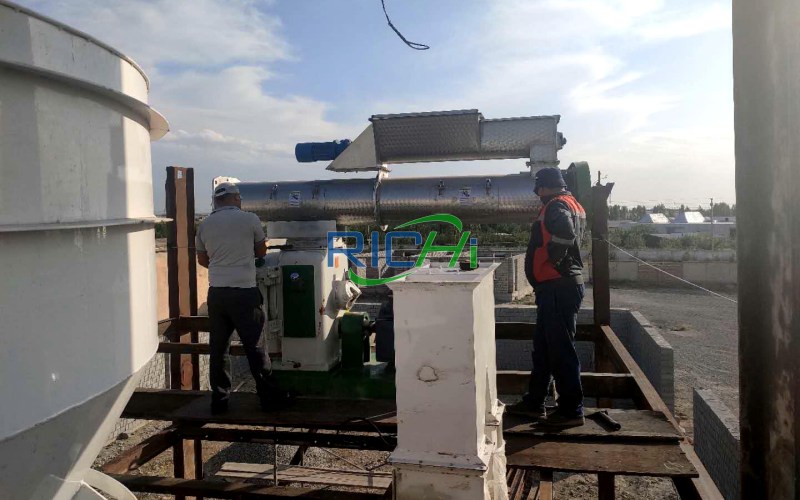
5T/H Chicken Feed Pellet Machine for Sale Germany
Local organic layer chicken farms must comply with strict EU organic feed regulations; no chemical additives may be added to the feed.
Date: November 2023
Feed Use: Organic Layer Hen Pellets
Customer Focus: Additive-free pelleting, low-temperature forming, adaptable to various organic grains
Raw Materials: Organic wheat, rye, alfalfa meal, fermented bran
Equipment List: Chicken feed pellet mill, stainless steel grinder, twin-shaft paddle stainless steel mixer, vibrating screen
Project Duration: 15 days

Thailand
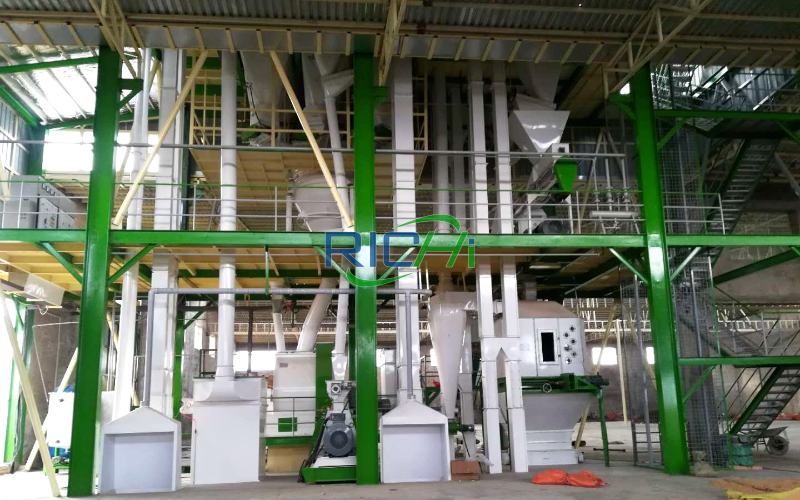
10T/H Chicken Feed Pellet Machine for Sale Thailand
Date: December 2022
Client Requirements: High-moisture raw material compatibility, corrosion resistance, reduced waste
Raw Materials: Cassava residue, rice bran, corn, soybean meal, fishmeal by-products
Equipment List: 10T/H chicken feed pellet mill, high-moisture pulverizer, twin-shaft mixer, rust-proof cooling system

Brazil
20T/H Chicken Feed Pellet Machine for Sale Brazil
Date: August 2023
Customer Focus: Flexible and rapid pellet size switching, adaptable to high-oil raw materials
Raw Materials: Soybean meal, corn, palm kernel meal
Equipment List: Chicken feed pelletizer, fully automatic batching system, horizontal mixer, counter-current cooler, automatic baler
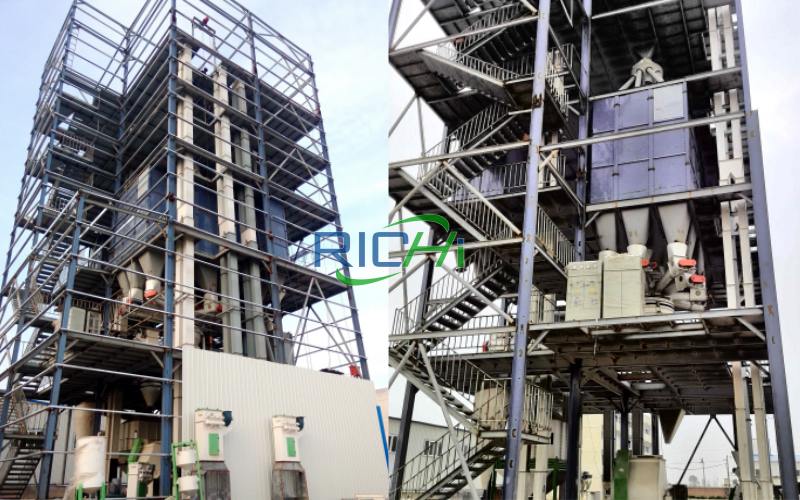
Complete Chicken Feed Production Line Process
Chicken feed production is a systematic process. From raw material storage to finished product packaging, each step requires specialized equipment to ensure the nutritional value and quality stability of the feed. A complete chicken feed production line includes core processes such as crushing, batching, mixing, pelleting, cooling, screening, and packaging. Whether you are using it for your own farm or for commercial production in a feed mill, we can provide a variety of production line solutions, from small-scale semi-automatic to large-scale fully automatic, to meet your production needs (from 1 ton/hour to 60 tons/hour).
Auxiliary Equipment
A complete chicken feed pellet production line consists of multiple specialized machines working together to ensure high feed quality and stable output. Choosing the right auxiliary equipment is just as critical as selecting the chicken feed pellet machine for sale itself. Below is an introduction to the main auxiliary equipment to help you understand the full configuration from raw materials to finished product.
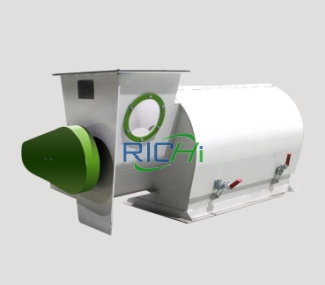
Cleaning Machine
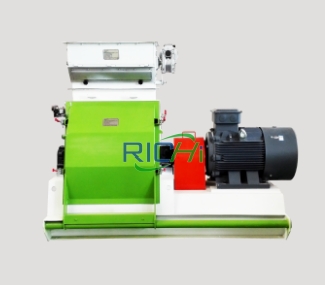
Chicken Feed Hammer Mill
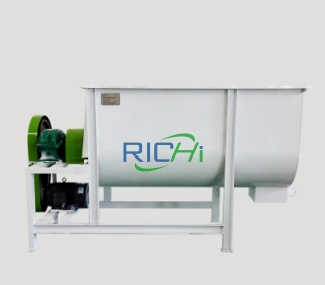
Chicken Feed Mixer
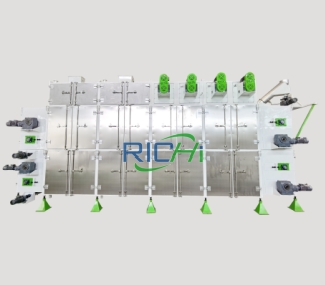
Chicken Feed Dryer
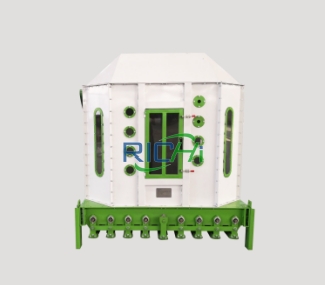
Chicken Feed Cooler
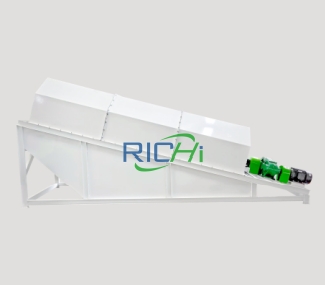
Pellet Screening Machine
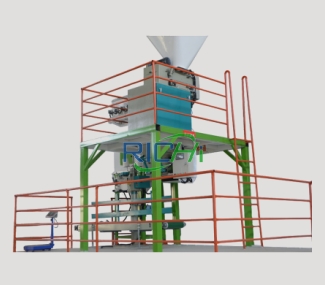
Automatic Packaging Machine
Frequently Asked Questions

I’ve never used a pellet mill before and I’m worried about the complicated operation. After purchasing the machine, will you teach me how to use it? If I encounter any problems later, will you help me solve them promptly?
+
Don’t worry about complicated operation at all! After you purchase the chicken feed pellet making machine, we will arrange for a technician to come to your location and teach you everything from how to start it up and adjust parameters to daily maintenance, providing hands-on guidance until you and your workers can operate it proficiently. If you encounter any malfunctions later, whether it’s day or night, you can contact us anytime. We will respond within 24 hours. Minor issues can be resolved with remote guidance, and for major problems, we will arrange for someone to come to your location for repairs, ensuring your production is not disrupted.
If I want to expand my processing scale later, can the machine I bought now be used with other equipment (such as mixers and coolers) to form a production line?
+
Absolutely! Our chicken feed pellet mills support customization services, so whether you’re expanding production by adding equipment or replacing old equipment in your existing production line, it will be perfectly compatible.
If you buy the pellet mill now and want to expand your processing scale later, it can be seamlessly integrated with mixers, coolers, conveyor belts, crushers, packaging scales, etc., directly forming a complete chicken feed production line. If you plan to expand your scale and build a complete production line, just communicate with us, and our technical team will come to your site to help plan the site layout and debug the equipment, ensuring the smooth operation of the entire production line. You won’t need to purchase a new chicken feed pellet mill.
Moreover, it’s not just compatible with our own equipment. Even if your entire production line is from another company and you only want to replace the chicken feed pellet mill, it’s perfectly feasible. We had a client in Indonesia who did just that. He didn’t want to replace the entire old production line, only the core pellet mill. Our technicians first visited his site to collect information such as the specific parameters and interface specifications of his existing equipment, and then customized a perfectly matched chicken feed pellet mill. After installation, it worked exceptionally well with the existing equipment, and both production capacity and pellet quality improved significantly.
Hello, I plan to purchase a chicken feed pellet production line with a capacity of 1-2 tons per hour. My current main raw materials are corn, soybean meal, fishmeal, barley, and wheat bran, and I plan to add some limestone powder, premixed feed, and other nutrients. Could you please provide me with a reasonable chicken feed formula ratio? Also, what is the approximate process flow for this chicken feed pellet production line?
+
Hello! Thank you so much for your inquiry. The corn, soybean meal, and fishmeal you provided are all very practical and basic ingredients in chicken feed formulations, and they are combined very well! Below is a general chicken feed formulation reference (which can be flexibly adjusted for different ages and breeds), as well as a simple and easy-to-understand workflow for a 1-2 ton/hour production line.
General Chicken Feed Formulation Reference
- Corn: 55%–60%
- Soybean meal: 20%–25%
- Fish meal: 3%–5%
- Wheat bran: 5%–8%
- Barley: 3%–5%
- Limestone powder: 1%
- Premix: 1%–2%
This is a basic ratio. If you could tell me the chicken’s growth cycle, whether it’s primarily broiler or laying hen, I could help you customize a more precise formulation!
Simplified Flowchart of a 1-2 Tons/Hour Production Line
Raw Material Crushing → Precision Mixing → Conditioning and Granulation → Cooling and Drying → Screening and Impurity Removal → Automatic Packaging
Simply put: First, large raw materials like corn and barley are crushed into fine powder, mixed evenly according to the formula, then conditioned and pressed into granules. After the freshly made granules are cooled and dried, they are automatically bagged and ready to use.The entire line is highly automated, labor-saving, energy-efficient, and doesn’t occupy much space, making it perfect for small and medium-sized farms! If you want to know about the key equipment in the process, or want to adjust the formula details, feel free to let me know!
What are the future prospects for chicken feed pellets?
+
In the next 5-10 years, the demand for pelleted feed will increase significantly, while the demand for powdered feed will decrease.
The reasons are roughly as follows, which you can refer to:
- Pelleted feed saves on feed costs (powdered feed has high waste levels)
- Chicken feed intake is more stable
- Higher conversion rate and faster chicken slaughter
- Better suitability for automated feeding equipment
- Better aligned with the management models of large-scale chicken farms
Why Choose RICHI Chicken Feed Pellet Machine For Sale?
Choosing the right chicken feed machine supplier not only affects equipment quality but also your long-term production efficiency. RICHI Machinery, with over 30 years of professional experience and successful cases in more than 140 countries worldwide, provides you with high-quality chicken feed equipment and is a trustworthy partner.



One-Stop Full-Process Turnkey Service
We offer complete service from solution design, equipment manufacturing, installation to training. Our technical team customizes solutions based on your needs, site conditions, and budget. Engineers provide on-site installation guidance and operator training.
Comprehensive After-Sales Service System
Lifetime technical support continues after warranty, including remote consultation, video guidance, and process optimization. Common wear parts are stocked year-round for fast delivery. Our 24/7 technical team is always available to help.
Authoritative Certifications and Quality Assurance
RICHI holds international certifications including BV, ISO9001, CE, and SGS. Key components are from renowned brands, and all equipment undergoes rigorous testing before delivery. You can find us on YouTube.